
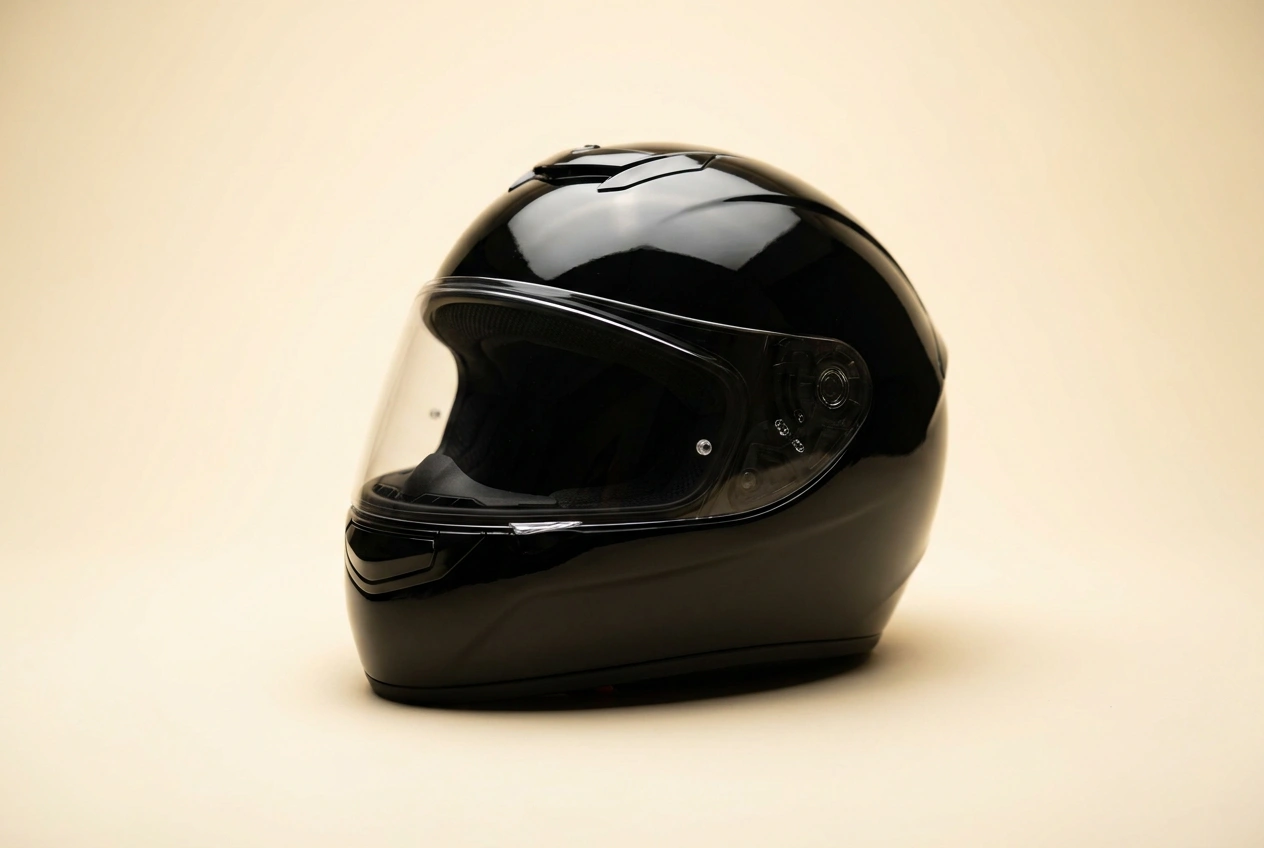
There are several types of standards and certifications on helmets. The certifications vary based on the countries and the range of safety it provides to users. If you are interested in helmet certifications and looking for the best helmet for your purpose, here are the different certifications on helmets for you.
Helmet Standards Comparison
Pick your sport and see which safety standards actually apply, what each one tests, and which is independently checked.
Standards are not interchangeable across sports. A ski helmet is rated for a skier's fall, not a snowmobile crash. Choose your activity to see the standards that matter and how they compare.
| Standard | What it tests | Independent lab | Rotational test | Best for |
|---|
Independent means a third party batch-tests before sale; self-certified means the maker attests it passed. Rotational testing checks the angled impacts behind many concussions, which most older standards ignore. Always confirm the certification printed on the specific helmet and size you buy.
- DOT - USA
- CSA CAN3-D230-M85 - Canada
- ECE 22.05 - European
- NBR 7471 - Brazil
- CNS - Taiwan
- AS 1698-2006 - Australia
- SG or JIS - Japan
- NZ 5430 - New Zealand
- KS G 7001 - Korea
- SIRIM - Malaysia
- TIS - Thailand
- IS 4151 - India
- PSB - Singapore
These are the specific certifications issued by the government of each country. Besides, there are also some non-government certifications on helmets such as
- Snell - USA
- SHARP - UK
- ACU Gold - UK
- BSI (British Standard Institutions) - UK
Needless to say, helmet is an essential equipment for every motorcycle rider. Motorcycle riding without a helmet increases the chance of death in an accident. Helmet manufacturers from all countries design and distribute helmets that meet the standards of certifications.
However, it is not that one certification is superior to others, you can have a helmet that passes multiple standards DOT, ECE, and SHARP, and offers enhanced safety on the trail. Wondering what those extra certifications actually buy in real-world performance? Our breakdown of what paying more for a helmet actually gets you covers how shell materials, EPS tuning, and certification tier translate to real protection differences.
All of the certifications above test impact protection: how a shell and liner absorb a blow to the head. Electrical PPE uses an entirely different rating system built around heat rather than impact. A face shield rated for arc-flash work carries an arc rating (ATPV) in cal/cm2, tested under ASTM F2178, which measures the incident energy a shield withstands before transmitting enough heat to cause a burn - it has nothing to do with DOT, ECE, or ANSI Z87.1 impact testing. If you work around energized electrical equipment, our arc flash face shield roundup breaks down how manufacturers state that rating and why it has to be matched to your site's NFPA 70E incident-energy analysis, not chosen off a shelf.
One certification mix-up worth flagging on its own: a bump cap is not a hard hat, even though the two get confused constantly on jobsites. Bump caps are tested to EN 812 and only protect against bumping a stationary head into a fixed object like a low pipe or beam; they carry no rating for falling or swinging objects, which is what EN 397 or ANSI/ISEA Z89.1 hard hats are built and certified for. Our best bump caps for confined spaces and low-clearance work guide breaks down that distinction in detail and picks caps by shell format for mechanics, electricians, and warehouse crews.
So, picking the best one to keep the valuable life safe, let’s enjoy this video!
DOT vs ECE vs Snell vs MIPS, how to pick the right lid in 60 seconds, and when to replace it. One page, no fluff.
