
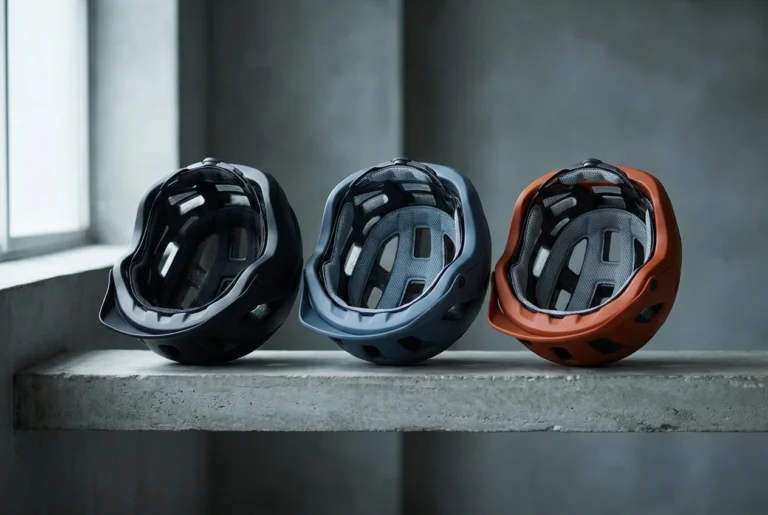
Four helmet technologies, four different jobs. We break down what MIPS, WaveCel, KinetiCore and Koroyd actually do about rotational and linear impact, and whether the badge is worth paying for.
Category: Guides
Virginia Tech Helmet Ratings Explained: What the Stars Mean (2026)
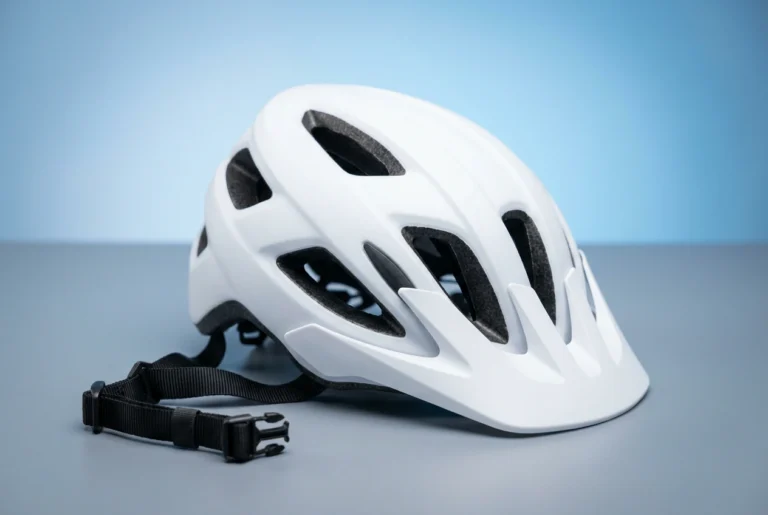
The Virginia Tech STAR system independently scores helmets on linear and rotational impact. Here is how to read it, how it differs from certification, and why the 2025 reset moved so many helmets.
Types of Motorcycle Helmets: Full-Face, Modular, Open-Face, Half and More (2026)
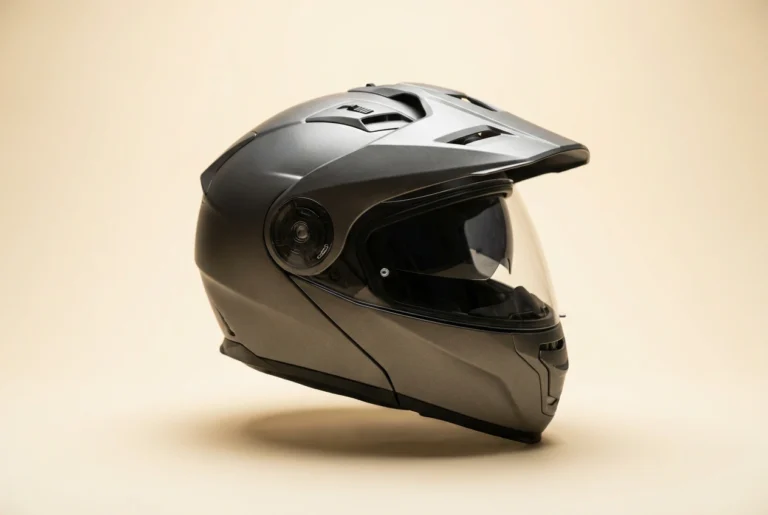
Full-face, modular, open-face, half, dual-sport, and off-road. Our research desk breaks down coverage, pros, cons, and which certification to demand.
How to Stretch a Tight Motorcycle Helmet Safely (2026)
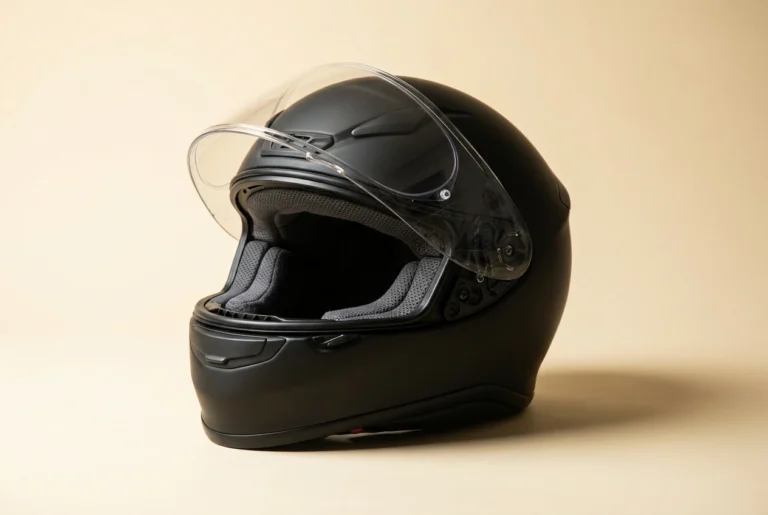
Helmet shells and EPS foam cannot be safely stretched. Proper break-in (15-20 hrs) and thinner cheek pads are the real fix. Pressure-spot table included.
How Should a Motorcycle Helmet Fit? The Complete Fit Guide (2026)
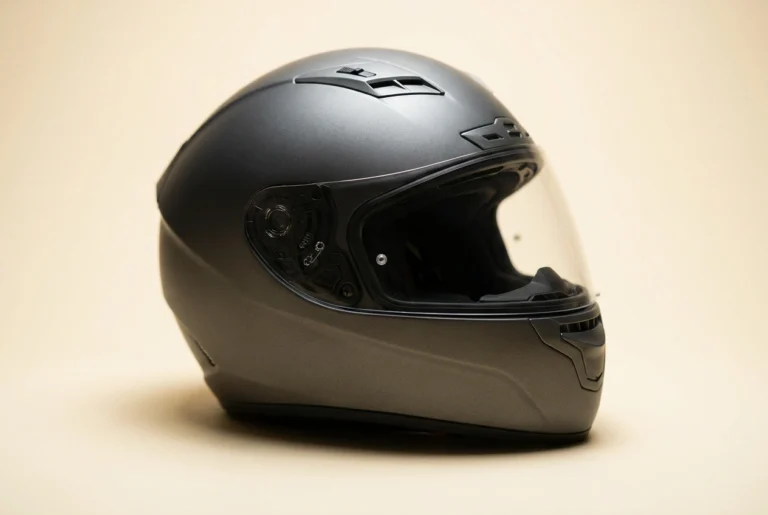
A motorcycle helmet fits correctly when snug all around with even pressure, cheeks gently compressed, and no movement when you shake your head.
How Should a Dirt Bike Helmet Fit? (2026 Fit Guide)
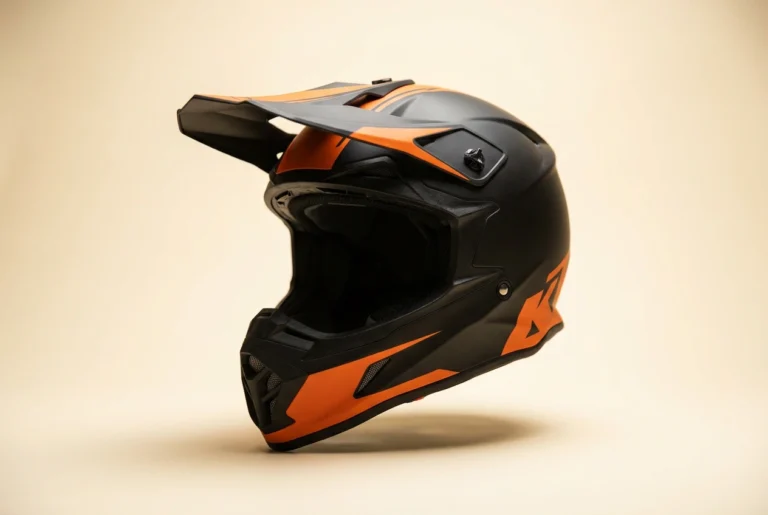
A dirt bike helmet should fit snug with even pressure all around, cheeks firmly cupped, and no rocking when you nod or shake your head. Our fit guide covers measuring, the cheek-forehead-crown test, goggle compatibility, break-in, and the signs a helmet is too big or too small.
How to Clean a Motorcycle Helmet (Inside and Out) 2026
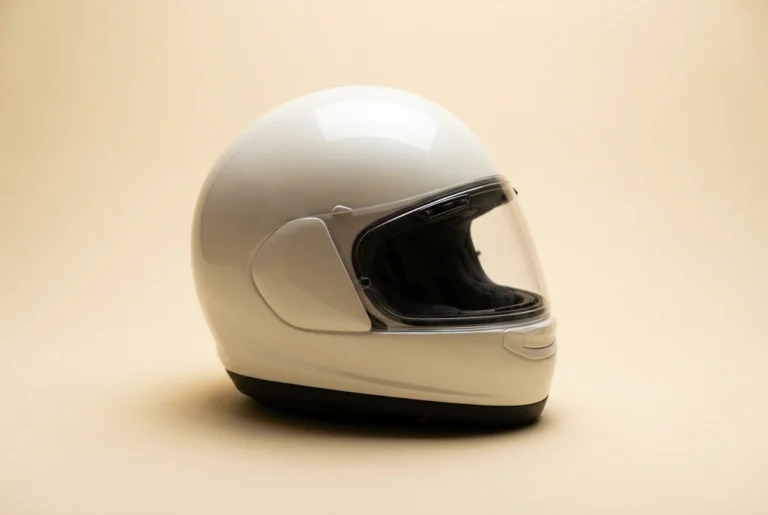
How to clean a motorcycle helmet properly, inside and out. Step-by-step guide covering the liner, shell, visor and vents without damaging coatings or foam.
When to Replace a Motorcycle Helmet in 2026: The 5-Year Rule, Explained
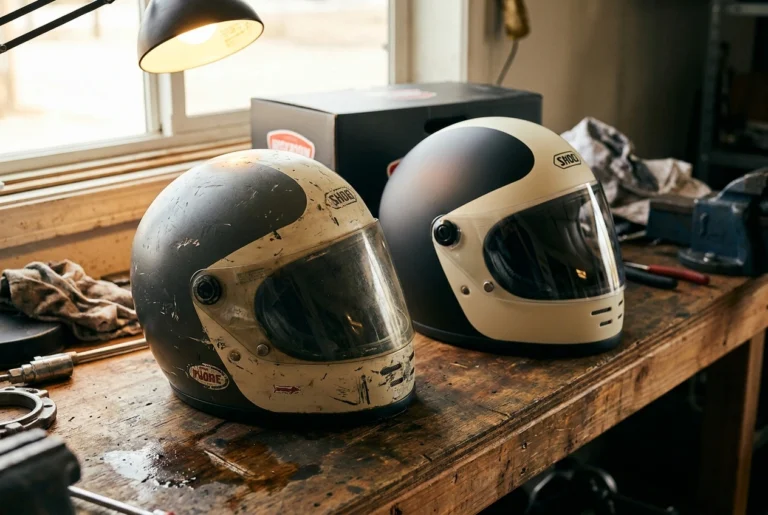
When to replace a motorcycle helmet: immediately after any crash, or about every 5 years from the manufacture date. Here is how to check, the signs, and the nuance.
How to Install an LED Light on Your Helmet (2026 Guide)
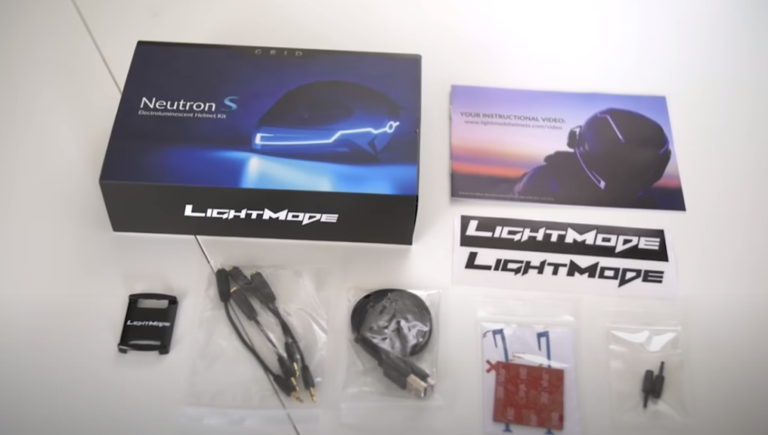
Installing an LED light on your motorcycle helmet is one of the highest-impact, lowest-cost visibility upgrades a rider can make, and most riders skip it entirely. The job takes under 15 minutes: clean the mounting surface with isopropyl alcohol, let it dry, apply the light to the rear and lower sides of the helmet, route wiring clear of the visor mechanism and vent openings, and test before your first ride. Our research desk covers the four main types of helmet light (adhesive strips, rechargeable rear units, clip-on beacons, and forward mounts), the color rules every rider needs to know before choosing (white and amber forward, red to the rear, no blue), and a full step-by-step installation guide with a comparison table to match light type to riding style.
Are Full-Face Helmets Safer? What the Data Says (2026)
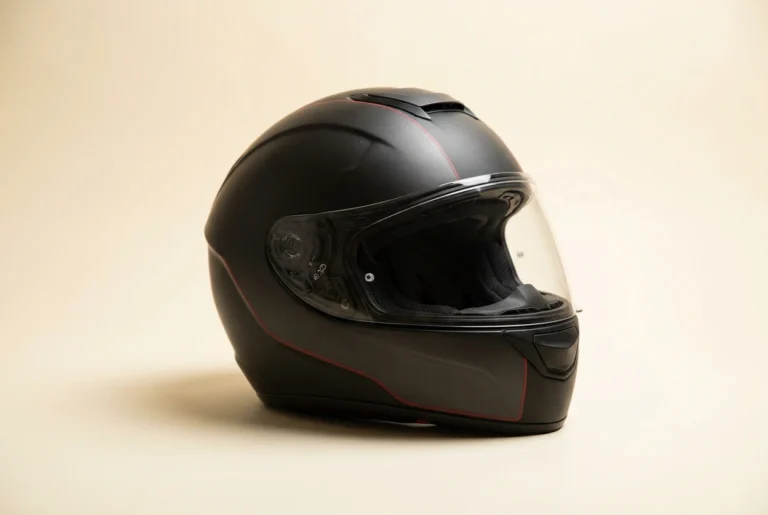
Full-face helmets are safer because they cover the chin and face, the areas crash research shows absorb a substantial share of impacts. We explain why the chin bar matters, how modulars compare, and the honest trade-offs of going full-face.
What Is MIPS in a Bike Helmet? Does It Actually Work? (2026)
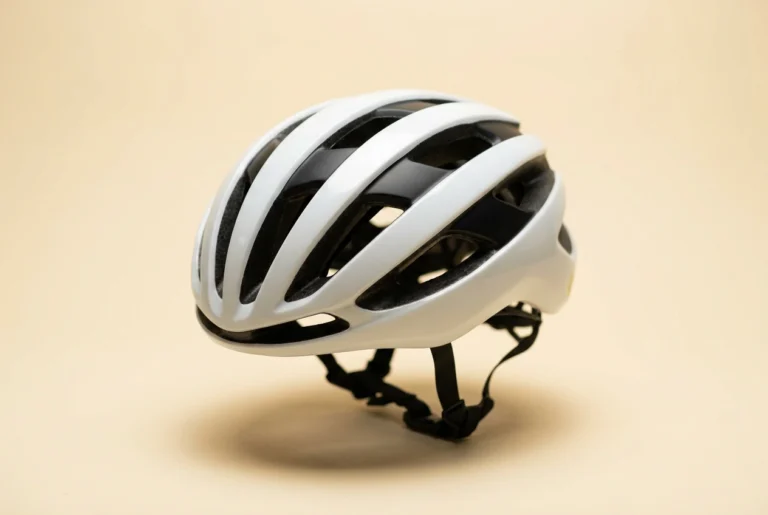
MIPS is a low-friction slip layer inside a bike helmet that lets the shell rotate slightly relative to your head in an angled impact, reducing rotational forces linked to concussion. Here is how it works, what the Virginia Tech data say, and how it compares to WaveCel, KinetiCore and other alternatives.
How to Remove Scratches From a Helmet Visor (What Works, What Wrecks It) 2026
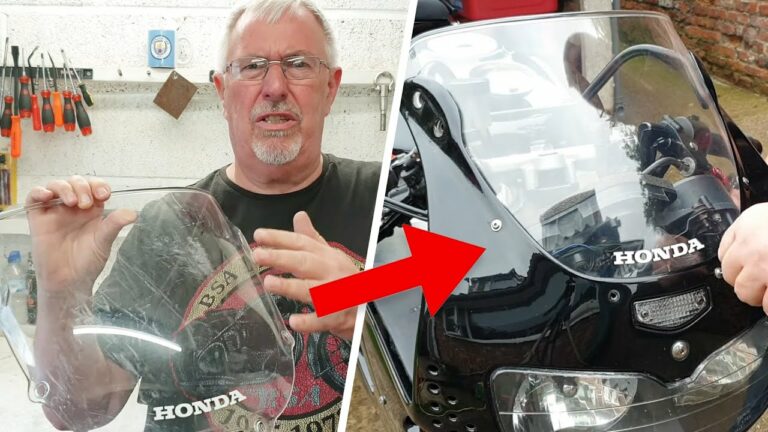
Most visor scratch fixes make things worse. The toothpaste trick wrecks coated visors. Learn which scratches can be polished and when to replace.