
Affiliate disclosure As an Amazon Associate we earn from qualifying purchases, at no extra cost to you.
MIPS is printed on the box of most mid-range and premium helmets now, bicycle and motorcycle alike, and figuring out whether it actually matters means digging into lab data most shoppers never see. We already broke down how the technology physically works and how it stacks up against WaveCel, KinetiCore and Koroyd elsewhere on the site (linked below). This page has one job: which MIPS-equipped helmets are worth buying, and which of their safety claims we could independently verify.
Our source for verification is the Virginia Tech Helmet Lab, the closest thing bicycle-helmet shopping has to an independent crash-test agency. VT drop-tests helmets under real impact conditions and scores each one 0 to 5 stars, publishing every result at helmet.beam.vt.edu, searchable by brand and exact model name. We checked all 8 helmets below against that database. Five matched by exact model name. One is a youth model VT has not tested. Two are motorcycle helmets, a category VT does not test at all, and we explain why further down.
Where we found a verified VT rating, we say so and link the exact score. Where we did not, we say that too, instead of rounding up from a similarly named sibling model. Eight picks below, road to MTB to motorcycle, and a walkthrough of how to run this same check on any helmet you already own.
Key Takeaways
- Of the 8 MIPS helmets in this guide, Virginia Tech's own lab has tested 5 by exact model name, with scores ranging from 2 to 5 stars. The other 3 fall outside what VT tests at all or has not tested yet.
- The Giro Aries Spherical posts the strongest verified score here: 5 stars, ranked 13th of the 304 bicycle helmets in VT's current database.
- You can look up any helmet's own VT star rating yourself in under a minute at helmet.beam.vt.edu. We walk through exactly how, later on this page.
- MIPS presence alone is not a safety guarantee. One MIPS-equipped pick on this list still lands at 2 stars, below VT's own 4-star recommended minimum, and we say so rather than hide it.
- Virginia Tech does not test motorcycle helmets in any category. A DOT- or ECE-certified moto lid with MIPS is a real safety upgrade, but it is judged on a different scale entirely, not a VT star rating.
| Giro Aries Spherical | 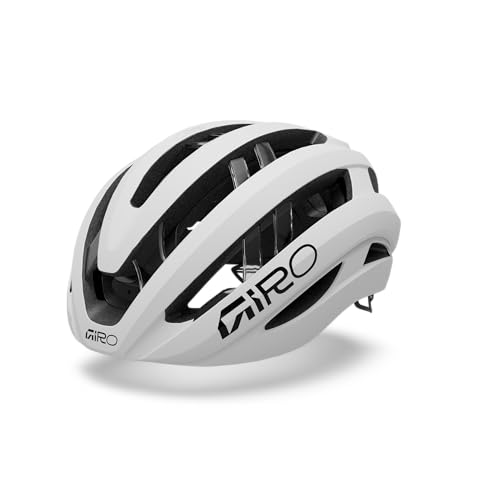 |
Best Overall | Type: Road, spherical shell | VT Star Rating: 5 of 5 (verified, rank 13 of 304) | Best For: Riders who want the single highest verified VT score in this guide | VIEW LATEST PRICE | Read Our Analysis |
| Bell Formula MIPS | 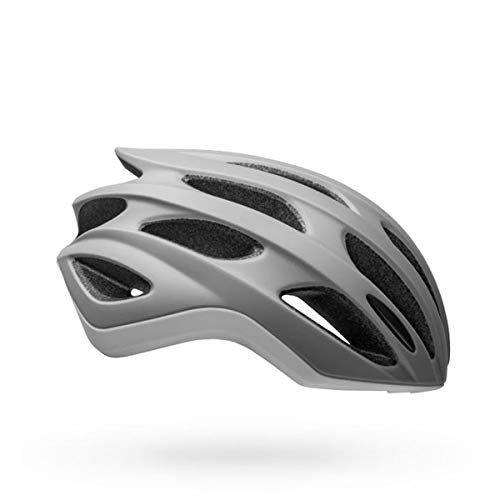 |
Best Road Value | Type: Road | VT Star Rating: 4 of 5 (verified, rank 119 of 304) | Best For: Road riders who want a VT-verified 4-star result without stepping up to a spherical shell | VIEW LATEST PRICE | Read Our Analysis |
| Fox Racing Speedframe | 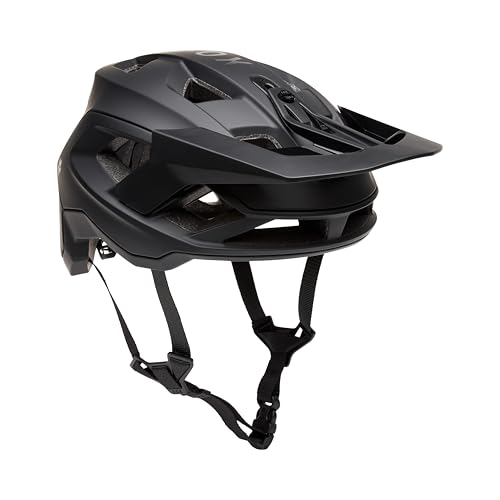 |
Best MTB | Type: Mountain, trail | VT Star Rating: 3 of 5 (verified, rank 172 of 304) | Best For: Trail riders who want a VT-tested MIPS helmet with a goggle-compatible visor | VIEW LATEST PRICE | Read Our Analysis |
| Smith Signal |  |
Best Commuter | Type: Road, commuter | VT Star Rating: 3 of 5 (verified, rank 218 of 304) | Best For: Daily commuters who want a VT-tested helmet built for eyewear compatibility | VIEW LATEST PRICE | Read Our Analysis |
| Giro Fixture MIPS |  |
Best Budget-Friendly | Type: Universal adult, trail-casual | VT Star Rating: 2 of 5 (verified, rank 249 of 304, below VT's 4-star recommended minimum) | Best For: Budget shoppers who still want a documented VT score, with the number stated honestly | VIEW LATEST PRICE | Read Our Analysis |
| Giro Scamp II MIPS Youth |  |
Best Youth | Type: Youth | VT Star Rating: Not published for this exact model as of this writing | Best For: Parents who want a MIPS-equipped youth helmet and are comfortable checking VT coverage themselves as it expands | VIEW LATEST PRICE | Read Our Analysis |
| Bell MX-9 Adventure MIPS |  |
Best Adventure Motorcycle | Type: Adventure, dual-sport motorcycle | VT Star Rating: Not tested (VT does not publish motorcycle helmet ratings) | Best For: Adventure and dual-sport riders who want MIPS layered on top of DOT and ECE certification | VIEW LATEST PRICE | Read Our Analysis |
| Bell Lithium MIPS | 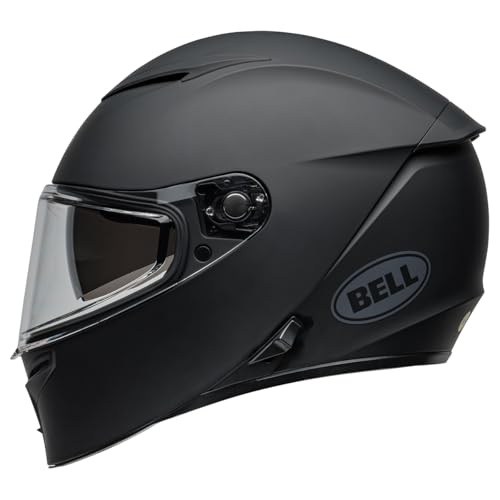 |
Best Full-Face Street Motorcycle | Type: Full-face street motorcycle | VT Star Rating: Not tested (VT does not publish motorcycle helmet ratings) | Best For: Street riders who want MIPS in a full-face lid with a built-in sun shield | VIEW LATEST PRICE | Read Our Analysis |
More Details on Our Top Picks
Giro Aries Spherical
The Aries Spherical is the highest-scoring helmet in this guide on Virginia Tech's own numbers: a verified 5 stars, ranked 13th out of the 304 bicycle helmets VT has tested, with a STAR score of 8.40 (lower is better on VT's scale).
That score comes from Giro's Spherical Technology, a ball-and-socket MIPS implementation where the entire outer shell rotates around an inner liner during an angled hit, rather than a thin slip-plane sliding inside one shell. Giro backs it with a translucent Aura II reinforcing arch for structure and 21 Wind Tunnel vents, so the extra hardware does not choke off airflow.
It is a road-specific shell with no visor, so mountain bikers and commuters wanting a peak should look further down this list, and the DryCore sweat channel only does so much on a slow July climb. It also sits at the premium end of this lineup, which matters if VT rank is not your only deciding factor.
For anyone who wants a bicycle helmet with a Virginia Tech score at the top of the scale, not an inferred rating from a similarly named model, this is the one that clears that bar.
- Type:Road, spherical shell
- VT Star Rating:5 of 5 (verified, rank 13 of 304)
- Rotational Protection:Mips Spherical, ball-and-socket
- Ventilation:21 Wind Tunnel vents
- Sweat Management:DryCore silicone bead system
- Certifications:Not specified by manufacturer
- Best For:Riders who want the single highest verified VT score in this guide
Bell Formula MIPS
The Formula MIPS carries a verified 4-star Virginia Tech rating, one tier below the Aries Spherical, without the spherical shell construction that pushes that helmet's rating.
Bell fuses the polycarbonate outer shell directly to the EPS foam liner, standard MIPS slip-plane hardware inside, and pairs it with the Float Fit dial and a Sweat Guide pad that channels moisture away from the brow. It is a straightforward, no-surprises road helmet build.
Nineteen vents is adequate rather than exceptional for a dedicated road helmet, and Bell does not publish a shell weight for this model, so riders who track ounces closely should look for a spec sheet elsewhere before buying.
If a verified 4-star VT rating is the bar you are shopping to, and you do not need the absolute top score, this is the straightforward way to clear it.
- Type:Road
- VT Star Rating:4 of 5 (verified, rank 119 of 304)
- Rotational Protection:MIPS slip-plane
- Ventilation:19 vents
- Fit System:Float Fit with No-Twist Tri-Glides
- Certifications:Not specified by manufacturer
- Best For:Road riders who want a VT-verified 4-star result without stepping up to a spherical shell
Fox Racing Speedframe
The Speedframe is the mountain-specific pick here, and it is also VT-verified: a 3-star rating, ranked 172nd of 304 tested helmets, which puts it solidly in the middle of the pack rather than at either extreme.
Fox builds in a standard Mips slip-plane, channeled in-molded EPS foam for cooling, and a one-hand-adjustable visor sized to clear sunglasses or goggles. The liner is removable and washable, which matters more on a mountain helmet that sees mud and sweat than it does on a road lid.
Fox sells a Speedframe Pro and a Speedframe RS at higher VT scores (5 stars each), so riders chasing the best possible mountain rating specifically, rather than this base model, should know those exist under a different exact name and price tier.
For trail riding where you want confirmed VT data rather than a MIPS logo alone, this is the mountain-specific choice on our list.
- Type:Mountain, trail
- VT Star Rating:3 of 5 (verified, rank 172 of 304)
- Rotational Protection:Mips
- Ventilation:Channeled, in-molded EPS venting
- Fit System:360-degree Fit System
- Certifications:Not specified by manufacturer
- Best For:Trail riders who want a VT-tested MIPS helmet with a goggle-compatible visor
Smith Signal
The Signal is Smith's commuter-and-road crossover, and its verified 3-star VT rating sits it in the same tier as our MTB pick, the Fox Speedframe, despite the very different riding position.
It combines a standard MIPS slip-plane with zonal Koroyd coverage, a honeycomb-structure energy absorber Smith also uses in its higher-end lids, plus 21 fixed vents and an AirEvac channel built specifically to keep sunglasses fog-free at stoplights. Smith states CPSC, CE EN 1078 and AS/NZS 2063 certification directly on the listing, more explicit certification detail than most competitors in this price range publish.
It is a road-shell helmet with no visor, so it is not the pick for singletrack, and Smith's VaporFit dial system is functional rather than plush next to pricier options on this list.
For a daily commute where you want documented certifications and a real VT number, not just marketing copy, the Signal is the one built for that job specifically.
- Type:Road, commuter
- VT Star Rating:3 of 5 (verified, rank 218 of 304)
- Rotational Protection:MIPS plus zonal Koroyd
- Ventilation:21 fixed vents with AirEvac
- Certifications:CPSC, CE EN 1078, AS/NZS 2063
- Fit System:VaporFit, 270-degree dial adjustment
- Best For:Daily commuters who want a VT-tested helmet built for eyewear compatibility
Giro Fixture MIPS
The Fixture MIPS is the only helmet on this list where we have to lead with a caveat: its verified Virginia Tech rating is 2 stars, ranked 249th of 304, which sits below the 4-star minimum VT itself recommends shopping to.
It still does the fundamentals correctly. Giro fuses the outer shell directly to the impact-absorbing foam for a lighter build, includes an Integrated Mips slip plane, and uses the same Roc Loc Sport fit dial found on pricier Giro helmets. Reflective details help with low-light visibility on a commute.
The honest reading of the VT data is that this is a real MIPS helmet at an accessible price, not a top safety performer, and riders who can stretch toward the Smith Signal or Bell Formula MIPS above will get a meaningfully better verified score for the difference.
We kept it on this list because it is the only budget-tier helmet here Virginia Tech has actually tested by name, and shoppers deserve that number instead of a guess.
- Type:Universal adult, trail-casual
- VT Star Rating:2 of 5 (verified, rank 249 of 304, below VT's 4-star recommended minimum)
- Rotational Protection:Integrated Mips slip plane
- Fit System:Roc Loc Sport, 7cm adjustment range
- Visibility:Reflective details
- Certifications:Not specified by manufacturer
- Best For:Budget shoppers who still want a documented VT score, with the number stated honestly
Giro Scamp II MIPS Youth
We checked Virginia Tech's full 304-helmet database by exact model name and the Scamp II MIPS is not on it. That is not a red flag on its own; VT's list leans heavily toward adult road and mountain shells, and youth-specific models are thinner across every brand in their database, not just Giro's.
What Giro does state directly: an Integrated Mips slip plane, a two-piece hardshell construction fused to the liner for durability without extra weight, and the Roc Loc Jr. dial system, sized and shaped for a child's head rather than scaled down from an adult fit system.
Parents who want VT-level verification specifically should check helmet.beam.vt.edu directly before buying, since VT periodically adds new models and this page will not always catch an update the same week it lands. We explain exactly how to run that check yourself below.
Absent a VT number, this is a MIPS-equipped youth helmet built by a brand with several VT-verified adult models elsewhere in this guide, which is the closest honest proxy for construction quality we can offer without a fabricated rating.
- Type:Youth
- VT Star Rating:Not published for this exact model as of this writing
- Rotational Protection:Integrated Mips slip plane
- Fit System:Roc Loc Jr., dial adjustment for kids
- Shell:Hardshell with in-mold hardbody lower wrap
- Certifications:Not specified by manufacturer
- Best For:Parents who want a MIPS-equipped youth helmet and are comfortable checking VT coverage themselves as it expands
Bell MX-9 Adventure MIPS
The MX-9 Adventure MIPS is the first of two motorcycle picks on this list, and here is the honest asterisk on both: Virginia Tech does not test motorcycle helmets in any category, so there is no VT star rating to check for this helmet or any other DOT-rated lid, full stop.
What is verifiable is the certification stack Bell states directly: DOT and ECE 22.06 compliance plus FMVSS 218, the US federal motor vehicle safety standard, on top of a standard MIPS slip-plane. Three shell sizes mean less bulky padding to reach a given fit than a one-shell-fits-all design, and the helmet ships with integrated speaker pockets for a Bluetooth communication unit.
MIPS in a motorcycle helmet is a genuinely newer addition than in bicycle helmets, and the rotational-impact case for it is the same physics either way, even without a VT number attached to back it up here specifically.
For adventure and dual-sport riding where you want DOT and ECE certification plus MIPS, and you understand that claim is judged on a different scale than the bicycle helmets above, this is our pick.
- Type:Adventure, dual-sport motorcycle
- VT Star Rating:Not tested (VT does not publish motorcycle helmet ratings)
- Rotational Protection:MIPS slip-plane
- Standards:DOT, ECE 22.06, FMVSS 218
- Shell Sizing:3 shell sizes
- Comfort:Ionic Plus odor-control padding
- Best For:Adventure and dual-sport riders who want MIPS layered on top of DOT and ECE certification
Bell Lithium MIPS
The Lithium MIPS is our full-face street pick, carrying the same DOT, ECE 22.06 and FMVSS 218 certification stack as the MX-9 Adventure above, and the same important caveat: no Virginia Tech star rating exists for it, because VT does not test motorcycle helmets.
Bell builds it around a polycarbonate shell with an internal MIPS slip-plane and adds a Class 2 optics drop-down sun shield with a quick ClickRelease mechanism, useful for riders who do not want to swap a separate pair of sunglasses at every stoplight. Three shell sizes keep the fit dialed without excess padding.
Street riders shopping this helmet should treat MIPS the same way as on the MX-9: a real rotational-impact addition on top of DOT and ECE certification, not a Virginia Tech score, since that comparison point does not exist for any motorcycle helmet on the market.
For full-face street riding where a built-in sun shield and MIPS both matter, and the shopper already understands the VT-rating gap explained above, this is the one we would point to.
- Type:Full-face street motorcycle
- VT Star Rating:Not tested (VT does not publish motorcycle helmet ratings)
- Rotational Protection:MIPS slip-plane
- Standards:DOT, ECE 22.06, FMVSS 218
- Shell:Polycarbonate
- Shield:Class 2 optics drop-down sun shield
- Best For:Street riders who want MIPS in a full-face lid with a built-in sun shield
Do You Actually Need a MIPS Helmet?
For most riders, yes: MIPS and similar slip-plane systems address angled impacts, the kind that cause most real-world concussions, in a way that plain foam alone does not. We already covered the full mechanics of how MIPS works, what it costs in practice, and when it is worth paying extra for, in a dedicated explainer. Read What Is MIPS in a Bike Helmet? Does It Actually Work? for that detail rather than us repeating it here.
How to Check Any Helmet's Virginia Tech Star Rating in 30 Seconds
Go to helmet.beam.vt.edu, click Bicycle in the left-hand menu, and use the search or sort tools to find your exact brand and model. Every one of the 304 helmets in VT's current bicycle database is listed with its star rating, numeric STAR score, and rank out of the full field, and the whole lookup takes well under a minute.
What to Search For
Search the exact model name printed on the helmet, not a shortened version. VT's database treats "Speedframe," "Speedframe Pro" and "Speedframe RS" as three separate tested helmets with three different scores, and the same pattern holds across most brands: a Pro, RS or numbered follow-up model is frequently tested and scored separately from the base version, sometimes years apart. Matching on brand alone, or assuming a newer numbered version inherited an older sibling's score, is exactly how inaccurate ratings spread online.
What If Your Helmet Is Not Listed
A missing listing does not mean a helmet failed a test; it usually means VT has not tested that specific model yet. VT's database leans toward adult road and mountain helmets, and youth, motorcycle and many niche models are simply outside what the lab currently covers. Our own Giro Scamp II Youth pick above is an example: MIPS-equipped, well-built by spec, and absent from VT's list for now.
Why Don't Motorcycle Helmets Have Virginia Tech Ratings?
Because Virginia Tech's helmet lab does not test motorcycle helmets in any category. Its published testing programs cover bicycle, football, hockey, soccer, snow sport, equestrian, whitewater, polo and several other sports, but motorcycle helmets are not among them as of this writing. For the full picture of what VT's rating system covers and how to read it, see Virginia Tech Helmet Ratings Explained: What the Stars Mean.
That means a DOT or ECE 22.06 certification, both of which our two motorcycle picks above carry, is the relevant safety baseline for a motorcycle helmet, not a VT star count. MIPS still adds real rotational-impact protection on top of either certification; there is just no independent VT number to cite for it the way there is on the bicycle side of this list.
Does It Matter Which Rotational System Your Helmet Uses?
Sometimes, and the differences are specific enough to be worth checking before you buy. MIPS, WaveCel, KinetiCore and Koroyd all target the same rotational-impact problem through different mechanical approaches, and independent lab data shows real gaps between them in some cases. We put the four head to head, with sourced results, in MIPS vs WaveCel vs KinetiCore vs Koroyd: Do You Need Them?. Every helmet on this specific page uses MIPS, so that comparison only matters if you are weighing a non-MIPS helmet against one of these picks.
How to Match a MIPS Helmet to Your Riding
Match the shell type to the riding first, then use the VT score to break ties within that type. A road shell like the Aries Spherical or Formula MIPS has no visor and less coverage at the back of the head, built for a forward, low riding position; a mountain or trail shell like the Speedframe adds a visor and more rear coverage for slower, more technical terrain. Our budget-focused mountain guide, Best MTB Helmets Under $100, goes deeper on that specific price and use case.
Fit matters more than any single spec on this page, VT rating included, because a correctly fitted 3-star helmet outperforms a poorly fitted 5-star one in the real world. For sizing, retention systems and how to check your own fit, see How to Choose a Bike Helmet: The Complete Guide.
Our Methodology
We did not physically test any helmet on this page. Every VT star rating cited above was checked directly against Virginia Tech Helmet Lab's public database at helmet.beam.vt.edu by exact model name, current as of this writing; every other spec (shell type, vents, fit system, stated certifications) is taken directly from each manufacturer's own product listing. Where a claim could not be verified against either source, we say so in the review rather than filling the gap with an estimate.
MIPS Helmet Comparison
| Helmet | Type | VT Star Rating | Rotational Protection | Best For |
|---|---|---|---|---|
| Giro Aries Spherical | Road, spherical shell | 5 of 5 (verified, rank 13 of 304) | Mips Spherical, ball-and-socket | Riders who want the single highest verified VT score in this guide |
| Bell Formula MIPS | Road | 4 of 5 (verified, rank 119 of 304) | MIPS slip-plane | Road riders who want a VT-verified 4-star result without stepping up to a spherical shell |
| Fox Racing Speedframe | Mountain, trail | 3 of 5 (verified, rank 172 of 304) | Mips | Trail riders who want a VT-tested MIPS helmet with a goggle-compatible visor |
| Smith Signal | Road, commuter | 3 of 5 (verified, rank 218 of 304) | MIPS plus zonal Koroyd | Daily commuters who want a VT-tested helmet built for eyewear compatibility |
| Giro Fixture MIPS | Universal adult, trail-casual | 2 of 5 (verified, rank 249 of 304, below VT's 4-star recommended minimum) | Integrated Mips slip plane | Budget shoppers who still want a documented VT score, with the number stated honestly |
| Giro Scamp II MIPS Youth | Youth | Not published for this exact model as of this writing | Integrated Mips slip plane | Parents who want a MIPS-equipped youth helmet and are comfortable checking VT coverage themselves as it expands |
| Bell MX-9 Adventure MIPS | Adventure, dual-sport motorcycle | Not tested (VT does not publish motorcycle helmet ratings) | MIPS slip-plane | Adventure and dual-sport riders who want MIPS layered on top of DOT and ECE certification |
| Bell Lithium MIPS | Full-face street motorcycle | Not tested (VT does not publish motorcycle helmet ratings) | MIPS slip-plane | Street riders who want MIPS in a full-face lid with a built-in sun shield |
Frequently Asked Questions
Does Virginia Tech rate motorcycle helmets?
No. Virginia Tech's helmet lab tests bicycle, football, hockey, soccer, snow sport, equestrian, whitewater and several other sport-helmet categories, but motorcycle helmets are not part of its published testing program as of this writing. A DOT or ECE 22.06 certification, not a VT star count, is the relevant safety baseline for a motorcycle helmet.
How do I find my helmet's Virginia Tech star rating?
Go to helmet.beam.vt.edu, open the Bicycle ratings page, and search for the exact brand and model printed on your helmet. VT often tests a base model and its Pro or numbered follow-up versions separately with different scores, so matching the exact name matters more than matching the brand.
What is a good Virginia Tech star rating?
Virginia Tech itself recommends choosing a helmet rated 4 or 5 stars. Lower-scoring helmets are not necessarily unsafe by legal certification standards, but they perform worse in VT's own drop-tower testing than the top of the field, and the gap between a 2-star and a 5-star result in this guide is real.
Does every helmet with MIPS have a Virginia Tech rating?
No. MIPS presence and VT testing are independent facts about a helmet. Several MIPS-equipped models in this guide, including the youth and both motorcycle picks, do not currently have a published VT star rating, either because VT has not tested that exact model or because the category (motorcycle) is outside VT's testing program entirely.
Is a 2-star MIPS helmet still worth buying?
It depends on what you are optimizing for. A 2-star helmet with MIPS still includes rotational-impact protection that a non-MIPS helmet lacks, but it scores below Virginia Tech's own 4-star recommended minimum in direct testing. Riders who can stretch their budget toward a verified 4- or 5-star pick on this list will get a meaningfully better tested result for it.
Can I use a mountain bike helmet for road riding, or vice versa?
You can, but you are trading coverage for ventilation either way. A mountain shell typically covers more of the back of the head and includes a visor, useful at lower speeds on technical terrain; a road shell trades that rear coverage and visor for a more aerodynamic profile built for a forward-leaning position at higher, steadier speeds.
DOT vs ECE vs Snell vs MIPS, how to pick the right lid in 60 seconds, and when to replace it. One page, no fluff.
