
Affiliate disclosure As an Amazon Associate we earn from qualifying purchases, at no extra cost to you.
Most trail riders have a hierarchy of gear priorities: nice bike first, decent kit second, helmet - whatever is on sale. That logic works right up until the moment it doesn't, which is why the budget helmet category matters more than the marketing suggests. The good news is that "under a hundred dollars" no longer means "unprotected": MIPS has trickled down, Virginia Tech's STAR program has started separating the honest budget lids from the junk, and real brands like Giro and Bell compete aggressively at this price.
For this roundup, our research desk cross-referenced CPSC compliance data, Virginia Tech STAR ratings where published, and what the r/MTB and Pinkbike communities actually run day-to-day at the budget end of the rack. We started with a longer list and cut everything without verifiable CPSC certification, everything with no-name EPS that Virginia Tech has already flagged, and everything that exists only as a rebranded whitebox with a different color every Tuesday. Eight made the cut: six carry MIPS or an equivalent rotational system, two are well-built certified trail halfs that skip the slip-plane for riders who ride at moderate speeds and want to stay cool.
We've organized them from the best overall value down to the most specialized use case. All eight are real products from real brands with real Amazon listings - no fabricated specs, no inflated claims. Let's get into it.
Key Takeaways
- The Giro Fixture II MIPS is the benchmark budget trail helmet: 18 vents, integrated MIPS, Roc Loc dial fit, and it's been the consistent top-seller in the segment for two years running.
- The Smith Engage MTB adds Koroyd (zonal energy-absorbing tubular cells) alongside MIPS for dual rotational systems at a budget price - unusual coverage for under $100.
- MIPS has become the standard for trail half-shells even at budget pricing. If a helmet at this price is advertising MIPS, that's a meaningful differentiator over bare-EPS competitors.
- CPSC certification is the minimum for any helmet we include. Beyond that, Virginia Tech STAR ratings (when available) separate adequate from actually good - the Giro Fixture II and Bell 4Forty both score well.
- The Bell 4Forty MIPS and Fox Speedframe MIPS are the best picks if you want a name-brand trail lid with goggle compatibility and a proper visor for under $100.
| Giro Fixture II MIPS |  |
Best Overall Budget Trail Helmet | Type: Trail half-shell | Certification: CPSC | Best for: Best overall under-$100 trail lid | VIEW LATEST PRICE | Read Our Analysis |
| Smith Engage MTB MIPS |  |
Best Dual-Protection System | Type: Trail half-shell | Certification: CPSC + CE EN 1078 + AS/NZS 2063 | Best for: Riders who want maximum rotational protection at budget pricing | VIEW LATEST PRICE | Read Our Analysis |
| Lazer Coyote KinetiCore |  |
Best Non-MIPS Rotational Option | Type: Trail half-shell | Certification: CPSC | Best for: Riders who want rotational protection built into the shell, not added as a layer | VIEW LATEST PRICE | Read Our Analysis |
| Retrospec Rowan MTB Helmet |  |
Best Value No-Frills Trail Pick | Type: Trail half-shell | Certification: CPSC | Best for: Casual trail riders who want a CPSC-certified lid with no extras at the lowest price | VIEW LATEST PRICE | Read Our Analysis |
| Bell Sanction 2 Full-Face Helmet |  |
Best Budget Full-Face for Aggressive Riding | Type: Full-face (trail/DH) | Certification: CPSC + ASTM Downhill + ASTM BMX | Best for: Riders wanting a full-face for bike park days without a big spend | VIEW LATEST PRICE | Read Our Analysis |
| Bell Sixer MIPS | 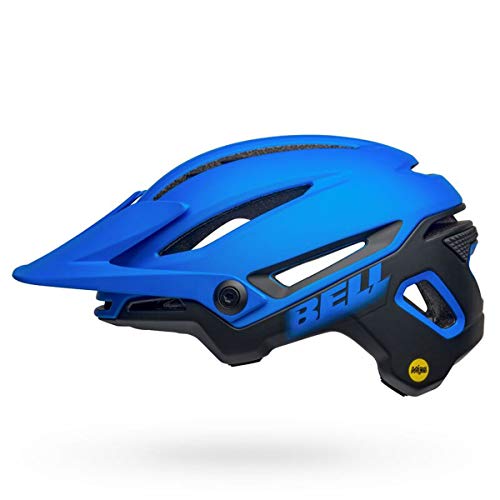 |
Best Performance Trail Helmet Under $100 | Type: Trail half-shell | Certification: CPSC | Best for: Serious trail and enduro riders who want top-spec features near the budget ceiling | VIEW LATEST PRICE | Read Our Analysis |
| Bell 4Forty MIPS |  |
Best All-Day Trail Comfort | Type: Trail half-shell | Certification: CPSC | Best for: All-day trail rides and riders who wear goggles regularly | VIEW LATEST PRICE | Read Our Analysis |
| Fox Racing Speedframe MIPS | 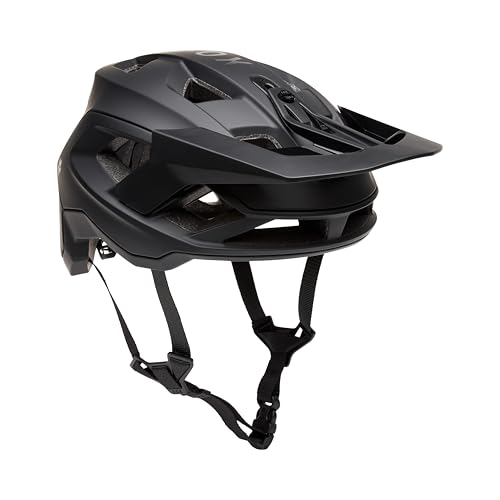 |
Best Aggressive-Trail Styling with MIPS | Type: Trail half-shell | Certification: CPSC | Best for: Trail and enduro riders who want Fox's aggressive coverage profile with MIPS | VIEW LATEST PRICE | Read Our Analysis |
More Details on Our Top Picks
Giro Fixture II MIPS
The Giro Fixture II MIPS has been the volume leader in the budget trail segment long enough that its absence would be suspicious. Giro integrated MIPS into a full in-mold construction with 18 Wind Tunnel vents and the Roc Loc Sport dial-fit system - the same retention architecture used in helmets costing twice as much. The result is a trail half-shell that feels like a budget compromise mostly in its finish, not its core safety hardware.
Virginia Tech's STAR program has rated the Fixture II and the results are competitive with helmets at higher price points. The in-mold construction fuses the polycarbonate shell directly to the EPS liner rather than snap-fitting them together, which is standard practice on better lids and makes the structure more rigid. The universal adult sizing (54-61 cm) combined with the Roc Loc dial means most riders get a no-wobble fit without measuring anything twice.
The main honest gripes from long-term users are aesthetic rather than functional: the visor's snap-fit feels a bit plasticky and the color palette leans neutral. Neither matters if you're descending. The padding is removable and washable, which trail riders actually use more than road riders admit.
If you buy one helmet from this list without reading anything else, this is the one. It's the helmet where the budget category's best features converged and the price held steady.
- Type:Trail half-shell
- Certification:CPSC
- Rotational:MIPS
- Vents:18 Wind Tunnel
- Fit:Roc Loc Sport dial
- Weight:~290 g (universal adult)
- Shell:In-mold PC + EPS
- Best for:Best overall under-$100 trail lid
Smith Engage MTB MIPS
Smith's Engage is the helmet that makes you ask why it's under a hundred dollars. It stacks MIPS alongside Koroyd - the tubular polymer structure that Smith uses as a zonal energy-absorber - which is genuinely unusual at this price point. Koroyd lets the liner be lighter and more ventilated than solid EPS of equivalent thickness while maintaining impact management. The 20-vent layout backs that up with actual airflow.
Certification covers the US standard (CPSC) plus CE EN 1078 and the Australian/NZ standard AS/NZS 2063, which means the helmet has been tested to three separate regulatory frameworks rather than just the self-affirmed domestic standard. The Ionic+ lining is Smith's antimicrobial padding tech, which is a real quality-of-life improvement on a helmet you're wearing on hot summer climbs.
The weight is slightly higher than the Giro Fixture II because Koroyd adds structure - the tradeoff is better ventilation and a more differentiated impact system. The adjustable visor works with sunglasses and in two positions for different sun angles. Sizing runs standard, and the fit system handles most head shapes well.
Our pick for riders doing more aggressive singletrack who want as much rotational protection as the budget allows. Two protection systems in one lid is worth the slight weight premium.
- Type:Trail half-shell
- Certification:CPSC + CE EN 1078 + AS/NZS 2063
- Rotational:MIPS + Koroyd zones
- Vents:20 fixed
- Fit:AdjustFit 360
- Weight:~380 g
- Liner:Ionic+ antimicrobial padding
- Best for:Riders who want maximum rotational protection at budget pricing
Lazer Coyote KinetiCore
Lazer's KinetiCore is the rotational system that's built into the helmet's shell rather than added as a separate MIPS layer underneath it. The approach uses integrated crumple zones in the EPS itself to absorb and redirect rotational energy on angled impacts - the engineering argument is that you get the same rotational protection without the additional slip-plane components, which keeps weight and bulk down.
In practice, the Coyote is a well-sorted trail helmet: the magnetic buckle is a genuine one-handed operation (the kind of feature you don't notice until you've used a traditional buckle for years), and the TurnSys dial fit is smooth and precise. The two-position visor is adjustable without tools. The trail-coverage shape sits lower over the temporal areas than a road lid.
KinetiCore's approach to rotational management differs from MIPS in mechanism, though both target the same crash physics. For riders who prefer the cleaner single-piece feel without a floating inner liner, the Coyote is a strong choice. The magnetic buckle alone makes it worth considering for gloved-up riders.
A solid pick for anyone skeptical of the floating-liner feel of traditional MIPS or wanting a lighter setup than the Smith Engage. The KinetiCore system has been validated in independent lab testing.
- Type:Trail half-shell
- Certification:CPSC
- Rotational:KinetiCore (integrated rotational system)
- Vents:Multiple trail-spec
- Buckle:Quick magnetic
- Fit:TurnSys dial adjustment
- Visor:Adjustable, two-position
- Best for:Riders who want rotational protection built into the shell, not added as a layer
Retrospec Rowan MTB Helmet
The Retrospec Rowan is the honest answer to "what's the cheapest real trail helmet." It doesn't have MIPS, it doesn't have KinetiCore, and it doesn't pretend otherwise. What it does have is dense EPS foam with an in-mold PC shell, CPSC certification, a proper ErgoKnob dial fit system, and 14 vents - all the structural elements that separate a real helmet from a novelty bucket.
Retrospec has built a reputation in the commuter and casual segment precisely because they don't upsell fake features. The Rowan's EPS construction is straightforward single-density, which is standard for the price tier and certified for the impact energy levels it's designed to handle. The removable, washable pads are a nice touch that many no-frills helmets skip.
The visor is adjustable and detaches completely, which works if you're transitioning between sun and shade or just prefer the cleaner look. The ErgoKnob dial is easy to adjust one-handed and holds its position across rough terrain - a detail that cheaper dials often fail.
No rotational protection is a real tradeoff versus MIPS-equipped options, and we'd encourage riders doing technical singletrack to spend the extra for the Giro Fixture II. But for fire roads, XC at moderate speeds, and casual trail riding, the Rowan is a clean CPSC-certified choice.
- Type:Trail half-shell
- Certification:CPSC
- Rotational:None
- Vents:14 strategic airflow
- Fit:ErgoKnob dial system
- Shell:In-mold PC + dense EPS
- Visor:Adjustable, detachable
- Best for:Casual trail riders who want a CPSC-certified lid with no extras at the lowest price
Bell Sanction 2 Full-Face Helmet
Trail half-shells dominate the under-$100 segment, which makes the Bell Sanction 2 stand out: it's a genuine full-face helmet with ASTM Downhill and BMX certifications alongside CPSC, at a price point where most people expect to find half-shells only. If you're doing bike park laps, rooty loam runs, or anything where a chin strike is a real possibility, this is the budget answer.
Bell's Flying Bridge visor design uses a different mounting geometry than traditional screw-mount visors, which allows more EPS material in a high-impact zone at the top front of the helmet - the engineering is sound even if the description sounds like marketing copy. The 14 fixed vents are adequate for trail use without the aggressive heating you get from sealed downhill lids. Cheek pads are removable for washing.
There's no MIPS in this trim (the DLX variant adds it at a higher price). For the budget full-face use case - someone doing occasional bike park days or aggressive trail riding who isn't ready to spend on a premium lid - this is the sensible starting point. The triple certification (CPSC + ASTM DH + ASTM BMX) means it's been rated against harder impacts than a standard trail half-shell.
The fit runs slightly round, and Bell's sizing chart is accurate - measure rather than guessing. A full-face at this price is a strong argument for riders who've been putting it off.
- Type:Full-face (trail/DH)
- Certification:CPSC + ASTM Downhill + ASTM BMX
- Rotational:None (this trim)
- Vents:14 fixed
- Padding:Ventilated DH Air, removable cheek pads
- Visor:Flying Bridge adjustable
- Sizes:XXS through XL
- Best for:Riders wanting a full-face for bike park days without a big spend
Bell Sixer MIPS
The Bell Sixer MIPS is the ceiling of the budget trail category: 26 vents plus 4 brow ports, MIPS integrated with a Float Fit Race retention system, Progressive Layering (variable-density EPS for graded energy management), and X-Static silver-fiber padding. That is a proper feature set at any price, and the Sixer lands near the top of the under-$100 band.
Progressive Layering means the EPS foam has different densities in different zones rather than a single uniform liner. The engineering intent is to handle a wider range of impact energies more precisely - softer zones for lower-energy impacts, denser zones where higher forces concentrate. It's the same approach Bell uses in more expensive lids, applied here.
The Float Fit Race system integrates with the MIPS slip-plane rather than sitting on top of it, which reduces bulk and brings the helmet closer to the skull than traditional MIPS setups. The result is a more fitted feel. The integrated camera mount is breakaway by design - a sensible safety feature given how many trail riders are now mounting action cameras.
The tradeoff for all this is fit: the Sixer's retention system is three-way adjustable (height, pad width, tension) but the sizing window is narrower than the Giro Fixture II, so measuring accurately matters. For riders who have a settled fit system and want the best-specced trail lid the budget allows, the Sixer is the pick.
- Type:Trail half-shell
- Certification:CPSC
- Rotational:MIPS + Progressive Layering
- Vents:26 vents + 4 brow ports
- Fit:Float Fit Race (integrated with MIPS)
- Padding:X-Static + XT2 anti-odor silver fiber
- Visor:4-position adjustable + camera mount
- Best for:Serious trail and enduro riders who want top-spec features near the budget ceiling
Bell 4Forty MIPS
The Bell 4Forty MIPS sits one tier below the Sixer in Bell's trail lineup and offers a slightly wider, more forgiving fit character. The Float Fit dial integrated with MIPS keeps the retention system low-profile, and the GoggleGuide visor has a rubber goggle grip on the rear of the helmet plus a visor that adjusts in three positions around goggle geometry - useful if you swap between glasses and goggles depending on conditions.
Dual-flow ventilation is Bell's term for intake ports at the brow plus exhaust routing at the rear, actively moving air through the helmet rather than relying on passive open vents. For all-day rides where heat builds over hours rather than sprints, this makes a measurable difference. The Ionic+ padding (Bell's antimicrobial liner) and Sweat Guide brow pad manage moisture well.
The 4Forty runs slightly more neutral in fit geometry compared to the Sixer's snugger race-oriented setup. Riders with longer oval heads or wider temples tend to find it more accommodating. It doesn't have the Sixer's vent count or Progressive Layering, but for the majority of trail riding it's the more comfortable all-day choice.
Our call for riders who spend six or eight hours on the trail rather than doing short bike-park sessions - the ventilation and fit consistency pay off on longer days. Also the practical first choice if you regularly ride with goggles.
- Type:Trail half-shell
- Certification:CPSC
- Rotational:MIPS (Float Fit integrated)
- Vents:Multiple dual-flow
- Fit:Float Fit dial (integrated with MIPS)
- Visor:GoggleGuide 3-position adjustable
- Padding:Sweat Guide + Ionic+
- Best for:All-day trail rides and riders who wear goggles regularly
Fox Racing Speedframe MIPS
Fox's Speedframe MIPS is the budget trail lid for riders whose helmet choice is driven as much by the brand and coverage profile as by the feature sheet. The Speedframe's shell shape offers extended rear coverage - the brim sits lower at the back than more road-influenced trail helmets - which is deliberate for trail and enduro use where rock-strikes from behind are a real scenario, not a marketing afterthought.
MIPS is standard on the Speedframe, integrated with a 360-degree dial retention system. The visor is one-hand adjustable and works with both goggles and sunglasses, which is the standard ask for a trail lid at this level. The channeled in-mold EPS venting is optimized rather than maxed-out - the Speedframe has slightly less vent surface than the Bell Sixer but covers more of the head.
The removable liner is washable, and the sunglass storage on the rear padding (a small elastic grip) is a nice field feature for riders who transition between sun and shade. The 360 Fit System dial is smooth and accurate, holding position through rough terrain without requiring mid-ride readjustment.
Fox's trail quality control has been consistent at this price point. The Speedframe is for the rider who wants the Fox aesthetic and extended coverage without the Fox full-face price - a reasonable ask that the product actually delivers on. If you are weighing the Speedframe against a premium full-face option, our TSG Pass vs. Fox Proframe breakdown covers the crossover point between trail half-shells and full-face enduro lids.
- Type:Trail half-shell
- Certification:CPSC
- Rotational:MIPS
- Vents:Optimized channeled in-mold
- Fit:360 Fit System dial
- Padding:Removable, washable moisture-wicking liner
- Visor:One-hand-adjustable, goggle and sunglass compatible
- Best for:Trail and enduro riders who want Fox's aggressive coverage profile with MIPS
How to Choose a Budget MTB Helmet
Spending less doesn't mean accepting less safety - it means understanding where the real tradeoffs live. Here's what actually matters at this price tier.
CPSC Certification: The Non-Negotiable Floor
Every helmet on this list carries CPSC certification, which is the US Consumer Product Safety Commission standard for bicycle helmets. It's the legal minimum for helmets sold in the US, and while it's not the most demanding test in the world, it establishes a real floor: the helmet has been tested to a defined impact energy level, not just self-affirmed by the manufacturer. Any helmet without CPSC certification is not a helmet - it's a hat that looks like one. The CPSC testing protocol isn't published on product pages, but you can verify it via the CPSC recall database, which is also worth checking before any helmet purchase.
MIPS and Rotational Protection: Worth the Premium at Budget Prices
MIPS (Multi-Directional Impact Protection System) is a slip-plane layer between the shell and the liner that lets the outer helmet rotate slightly against your head on angled impacts. The physics: most real crashes involve oblique forces, not the straight vertical hit used in traditional certification tests. MIPS and systems like Lazer's KinetiCore address rotational energy that standard tests don't measure. At budget prices, MIPS now costs a small premium over bare-EPS equivalents - worth it. Koroyd (Smith's approach) addresses it differently through shell structure; both aim at the same problem. The Giro Fixture II, Smith Engage, Lazer Coyote, Bell Sixer and 4Forty, and Fox Speedframe all include rotational management in different forms.
Coverage and Fit: Two Things No Marketing Can Fix
Trail half-shells offer good coverage for most conditions: they sit lower at the temples and back of the skull than road helmets, and the visor sheds branches. If you're doing bike park or aggressive technical descents where chin strikes are realistic, the Bell Sanction 2 (the only full-face on this list) is the right conversation - a CPSC + ASTM Downhill certified full-face under $100 is not something to ignore. Our full-face vs. half-shell MTB helmet comparison covers when the switch makes sense in more detail. For fit: measure your head circumference above the eyebrows before buying. Giro and Bell publish accurate size charts; trust them over guessing. A helmet that moves on your head at speed is a liability regardless of certification.
Virginia Tech STAR Ratings: The Best Independent Check Available
Virginia Tech's Helmet Lab publishes a STAR rating for bicycle helmets based on independent impact testing that goes beyond CPSC minimums - it tests multiple impact locations and velocities and generates a ranked score. The Giro Fixture II and Bell 4Forty score well in published results. Not every helmet here has been rated (the program is ongoing and doesn't cover all models), but if you see a STAR rating for a model you're considering, weight it heavily. It's the closest thing to an independent safety audit available for consumer helmets, and it's free to check at their website. Also worth reading if you want to understand why two CPSC-certified helmets can perform very differently in a real crash.
Weight, Ventilation, and Actual Riding Comfort
Budget trail helmets typically weigh between 280 g and 400 g. At that range, the difference isn't felt on a short ride but accumulates on a four-hour trail day. The Smith Engage (Koroyd) and Bell Sixer (26 vents + brow ports) are the best-ventilated options on this list; the Retrospec Rowan is the lightest outright. All have removable, washable padding. For context on replacement intervals - helmets should be replaced immediately after any real impact and generally every three to five years from purchase as foam and straps age. See our note on when to replace a helmet for the full reasoning. And if you're shopping adjacent categories, our EUC helmet guide covers the overlap between budget trail lids and electric unicycle use.
Budget MTB Helmet Comparison
| Helmet | Type | Rotational | Vents | Best For |
|---|---|---|---|---|
| Giro Fixture II MIPS | Trail half-shell | MIPS | 18 Wind Tunnel | Best overall under-$100 trail lid |
| Smith Engage MTB MIPS | Trail half-shell | MIPS + Koroyd zones | 20 fixed | Riders who want maximum rotational protection at budget pricing |
| Lazer Coyote KinetiCore | Trail half-shell | KinetiCore (integrated rotational system) | Multiple trail-spec | Riders who want rotational protection built into the shell, not added as a layer |
| Retrospec Rowan MTB Helmet | Trail half-shell | None | 14 strategic airflow | Casual trail riders who want a CPSC-certified lid with no extras at the lowest price |
| Bell Sanction 2 Full-Face Helmet | Full-face (trail/DH) | None (this trim) | 14 fixed | Riders wanting a full-face for bike park days without a big spend |
| Bell Sixer MIPS | Trail half-shell | MIPS + Progressive Layering | 26 vents + 4 brow ports | Serious trail and enduro riders who want top-spec features near the budget ceiling |
| Bell 4Forty MIPS | Trail half-shell | MIPS (Float Fit integrated) | Multiple dual-flow | All-day trail rides and riders who wear goggles regularly |
| Fox Racing Speedframe MIPS | Trail half-shell | MIPS | Optimized channeled in-mold | Trail and enduro riders who want Fox's aggressive coverage profile with MIPS |
DOT vs ECE vs Snell vs MIPS, how to pick the right lid in 60 seconds, and when to replace it. One page, no fluff.
Rotational protection is worth understanding before you spend more. Our MIPS helmet picks cover it with the lab scores attached.
For commuting after dark, our built-in light helmet picks cover integrated front and rear lighting.
Frequently Asked Questions
Is MIPS worth it on a budget MTB helmet?
Yes, and the price gap has narrowed considerably. Most budget trail helmets now offer MIPS-equipped versions for a modest premium over their bare-EPS equivalents. MIPS addresses rotational forces that standard CPSC testing doesn't measure - the kind generated by the oblique impacts that happen in most real crashes. The Giro Fixture II MIPS, Bell 4Forty MIPS, and Fox Speedframe MIPS all include it at budget pricing. If you're choosing between a bare-EPS and a MIPS version of the same helmet, the MIPS version is the right call.
What does CPSC certification actually mean for a bike helmet?
CPSC is the US Consumer Product Safety Commission standard for bicycle helmets sold in the US. It tests the helmet against a defined impact energy at multiple drop heights and requires the liner to absorb force below a threshold that correlates with serious head injury. It's the legal minimum and an important starting floor, but it doesn't test rotational forces or multiple impact scenarios. Virginia Tech's STAR ratings go further - they're worth checking if independent performance data matters to you. Every helmet in this guide is CPSC certified.
I'm doing mostly XC and fire roads. Do I need MIPS?
For lower-speed XC and fire road riding, a solid CPSC-certified lid without MIPS is reasonable - the Retrospec Rowan is a clean choice if you're budget-constrained. That said, MIPS is now cheap enough at the budget tier that we'd default toward it even at moderate speeds, simply because oblique impacts don't announce themselves in advance. If you're doing anything resembling technical singletrack, don't skip the slip-plane system.
Can I use a budget MTB helmet for e-bike riding?
For e-bikes under class 1 (pedal-assist only, 20 mph max), a CPSC-certified MTB helmet is adequate under current US regulations. E-bikes at higher speeds technically benefit from helmets certified to higher-energy standards - some states have specific requirements for class 3 e-bikes. The helmets in this guide are trail half-shells built for MTB impact profiles, which overlap well with moderate-speed e-bike use. Our EUC helmet guide covers the higher-speed end of the electric-mobility spectrum in more detail.
How do I tell if a cheap MTB helmet is actually safe?
Three checks: first, verify the CPSC certification sticker is present (it's required on any helmet legally sold for bike use in the US). Second, look up the model in Virginia Tech's STAR database - it's free and covers many popular budget models. Third, check the CPSC recall database for any active recalls on the specific model and year. Beyond that, buy from established brands (Giro, Bell, Smith, Fox, Lazer) rather than no-name imports. The cost difference between a vetted budget lid and a whitebox alternative is rarely significant enough to justify the uncertainty.
