
Affiliate disclosure As an Amazon Associate we earn from qualifying purchases, at no extra cost to you.
Before you buy anything, check your specific derby's rulebook. Demolition derby helmet requirements are not standardized nationwide - they are set by the promoter, the county fair board, or the sanctioning body running that particular event, and they can differ by class within the same show. Some rulebooks accept any full-face helmet carrying a DOT sticker. Others require a Snell SA (Special Application) auto racing helmet, and a handful specify a full-face shield or snug-fitting goggles by name. Nothing below is labeled "derby legal" for that reason: treat this as a map of what each certification actually tests for, then match your purchase to the rulebook in front of you.
A demolition derby is not a single-impact event. Cars get hit from the front, the back, and the side, repeatedly, for several minutes at a time, and a hard hit can roll a car onto its roof. That is the exact scenario Snell's SA (Special Application) standard was built around: a fire-resistant liner, a shell tested for multiple impacts in the same test session, and roll-bar-style penetration testing that a standard street DOT helmet never faces. A plain DOT helmet, the kind sold for street motorcycle riding, is tested for a single hard impact and is not required to resist flame at all. Below, our picks split into two groups: Snell SA-rated helmets built for exactly this kind of abuse, and budget full-face DOT helmets that satisfy the entry-level rules many county fair and figure-8 shows still run.
Key Takeaways
- Check your specific derby's rulebook before you buy - promoters, county fairs, and sanctioning bodies each set their own minimum helmet standard, and it is not the same show to show.
- Snell SA is the auto racing standard, not Snell M - Snell's SA (Special Application) series is fire-resistance and multi-impact tested for auto and kart racing; Snell's M series is a separate protocol built for street motorcycle helmets. A helmet certified to one is not automatically certified to the other.
- Most rulebooks set a full-face DOT helmet as the floor - entry-level and youth classes at many county fairs accept any full-face helmet with a valid DOT sticker; stricter classes and larger sanctioned events step up to Snell SA.
- Fire resistance and rollover protection are the reason SA exists - a demolition derby involves repeated hits and a real, if uncommon, fire and rollover risk that a standard street DOT helmet was never built to survive.
- A closed face shield or snug goggles are non-negotiable - flying glass, dirt, and debris are constant in a derby pit, and an unprotected face is a bad idea regardless of what your rulebook technically allows.
| Zamp Full-Face Racing Helmet (Snell SA2025) |  |
Best for Sanctioned Points-Series Tracks | Type: Full-face | Certification: Snell SA2025 | Shield: Z-20 clear shield included | VIEW LATEST PRICE | Read Our Analysis |
| RaceQuip PRO25 Full-Face Racing Helmet |  |
Best Ventilation for Hot, Dusty Derby Tracks | Type: Full-face | Certification: Snell SA2025 | Eyeport Seal: Silicone gasket keeps out dust and dirt | VIEW LATEST PRICE | Read Our Analysis |
| RaceQuip PRO20 Full-Face Racing Helmet |  |
Best Value Snell SA Pick | Type: Full-face | Certification: Snell SA2020 (previous certification cycle - confirm your track still accepts it) | Interior: Blended Nomex interior, removable cheek pads, Kevlar chin strap | VIEW LATEST PRICE | Read Our Analysis |
| Simpson Vudo Full-Face Racing Helmet |  |
Best Premium / HANS-Ready Pick | Type: Full-face | Certification: Snell SA2025 | Chin Bar: Solid front chin bar for debris protection | VIEW LATEST PRICE | Read Our Analysis |
| GLX GX11 Compact Full-Face Helmet |  |
Best Budget DOT Full-Face | Type: Full-face | Certification: DOT (FMVSS 218) - not Snell SA rated | Visor: Included tinted visor, quick-change shield | VIEW LATEST PRICE | Read Our Analysis |
| ILM ILM-313 Full-Face Helmet | 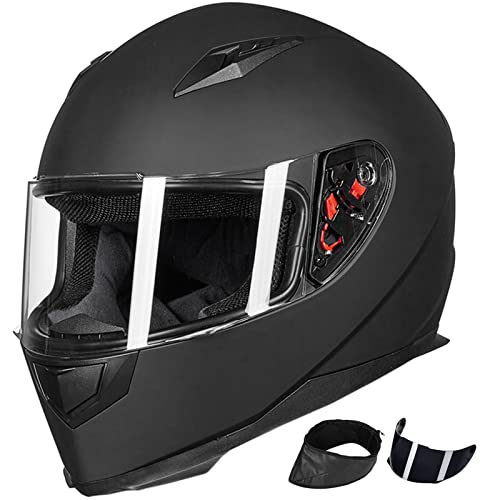 |
Most Affordable DOT Full-Face | Type: Full-face | Certification: DOT / FMVSS-218 (per listing) - not Snell SA rated | Closure: Quick-release clasp and strap | VIEW LATEST PRICE | Read Our Analysis |
| GLX GX23 Full-Face Helmet |  |
Best DOT Pick for Airflow | Type: Full-face | Certification: DOT - not Snell SA rated | Style: Motocross-style shell with integrated spoiler | VIEW LATEST PRICE | Read Our Analysis |
| TRIANGLE Full-Face Helmet |  |
Best DOT Pick for Size Range (S-XL) | Type: Full-face | Certification: DOT (FMVSS 218) - not Snell SA rated | Visor: Pre-installed tinted shield + bonus clear visor | VIEW LATEST PRICE | Read Our Analysis |
More Details on Our Top Picks
Zamp Full-Face Racing Helmet (Snell SA2025)
Zamp's full-face racing helmet carries a current Snell SA2025 certification, the most recent five-year homologation cycle, which matters if your track's tech inspector checks the sticker date rather than just the SA name. The shell is built from carbon fiber, a material choice that keeps total weight down while meeting the same impact and penetration testing every SA2025 helmet has to pass.
The shell ships with head-and-neck restraint (HANS/HNR) provisions built in, so drivers who run a restraint system in points-series competition are not stuck retrofitting hardware after the fact. That feature is more relevant to circuit racing than to a Saturday night derby, but it does not cost anything if you never use it, and it is a sign of a helmet built to a real racing spec rather than a novelty shell.
It comes with a clear Z-20 shield installed, which is what you want in a derby: full peripheral vision with no gap at the edges where dust and glass can get in. At a listed weight of roughly 2.7 kg in the X-Large size, it sits mid-pack for a full carbon-shell SA helmet, noticeably lighter than the fiberglass options at this certification level.
This is a straightforward pick for a driver whose track's rulebook specifies Snell SA by name and does not want to think much harder about the decision. Confirm your size against the seller's chart before ordering, since racing helmets run snugger than street motorcycle helmets, and a loose fit undermines the certification regardless of what the sticker says.
- Type:Full-face
- Certification:Snell SA2025
- Weight:2,722 g (6.0 lb, size XL)
- Shell Material:Carbon fiber
- HANS/HNR Provision:Head-and-neck restraint ready
- Shield:Z-20 clear shield included
RaceQuip PRO25 Full-Face Racing Helmet
RaceQuip built the PRO25 specifically around current Snell SA2025 certification, and the listing states it is certified for any racing series that accepts full-face SA2025 helmets, from autocross and HPDE track days up through club and short-track competition. The shell is a hand-laid fiberglass-reinforced plastic composite, a construction method that keeps consistent thickness, and consistent protection, across the whole shell rather than the thin spots that can show up in lower-cost molded shells.
Ventilation is where this helmet stands out from the rest of this list: top and rear exhaust vents move air through the shell, which matters more than it sounds like it should when you are strapped into a derby car with the engine running and no air conditioning. A silicone gasket seals the eyeport against dust and dirt, a small detail that keeps grit out of your eyes during a long heat.
RaceQuip sells this shell across an unusually wide size range, from 2X-Small through 3X-Large, with youth-sized PRO-series models available separately. That range makes it easier to get a genuinely snug fit, which is not optional with an SA-rated helmet: a loose shell defeats the impact testing regardless of the certification sticker.
At a listed weight of about 2.15 kg in a Large, it is on the lighter end of the Snell SA helmets here. Between the size range, the ventilation, and the fire-retardant paint, liner, and chin strap required for SA certification, this is a strong pick for a driver who wants a genuine racing helmet without stepping up to premium pricing.
- Type:Full-face
- Certification:Snell SA2025
- Weight:2,150 g (4.74 lb, size L)
- Shell Material:FRP composite, hand-laid
- Size Range:2X-Small to 3X-Large (youth PRO-series also available)
- Ventilation:Top + rear exhaust vents
- Eyeport Seal:Silicone gasket keeps out dust and dirt
RaceQuip PRO20 Full-Face Racing Helmet
The PRO20 carries a Snell SA2020 rating rather than the current SA2025 cycle, and that distinction is worth spelling out clearly: Snell recertifies its SA standard every five years, and a growing number of tracks and series are moving to SA2025-only acceptance lists. Before buying this helmet for competition, check whether your specific track or sanctioning body still accepts SA2020 helmets, since that acceptance window is closing at some venues and still wide open at others.
Setting the certification-cycle question aside, the build itself matches what you would expect from a Snell SA helmet: a fiberglass-reinforced composite shell, HANS/HNR M6 threaded inserts built into the shell, and an EPS liner underneath a blended Nomex interior with hook-and-loop removable cheek pads. The listing also states fire-retardant paint and interior. The 3mm polycarbonate shield is rated low-fog, a real consideration inside a helmet during a hot, adrenaline-heavy heat.
A Kevlar chin strap, a silicone eyeport seal that keeps out dirt, and tear-off posts on the shield round out the details that matter on a dusty derby track. The listing does not state a weight, so check the size chart and product page before ordering.
This is the pick for a driver whose track still accepts SA2020 and wants a Snell SA rated shell with a fire-retardant interior without paying SA2025-level pricing. If your rulebook is silent on the certification year, or specifically calls for SA2025, put the extra money toward one of the current-cycle helmets above instead.
- Type:Full-face
- Certification:Snell SA2020 (previous certification cycle - confirm your track still accepts it)
- Shell Material:FRP composite
- HANS/HNR Provision:M6 threaded inserts in shell
- Shield:3mm polycarbonate, low-fog
- Interior:Blended Nomex interior, removable cheek pads, Kevlar chin strap
Simpson Vudo Full-Face Racing Helmet
Simpson is one of the longest-running names in motorsport safety equipment, and the Vudo carries a current Snell SA2025 certification along with head-and-neck restraint (HANS/HNR) readiness built into the shell. This is the premium option on this list, aimed at a driver who runs derbies or other contact events often enough that the extra investment in a well-known racing brand makes sense.
The listing calls out a solid front chin bar, which keeps dirt and debris out of the lower face during exactly the kind of low-speed, high-contact hits a derby produces. Top and rear ventilation channels are standard, with optional forced-air port upgrades available for drivers who add a cooling system to their car.
Simpson's listing does not publish a weight figure for this specific model, so treat any weight claim for the Vudo found elsewhere online with some skepticism until you can confirm it against the exact shell you are buying. What is confirmed directly from the listing is the SA2025 certification and the HANS/HNR compatibility, which are the two details that matter most for a serious competitor.
If your budget allows it and your local rules call for the highest available protection level, this is a reasonable helmet to build a derby setup around. For most weekend and county fair competitors, one of the less expensive SA2025 options above will satisfy the same rulebook requirement.
- Type:Full-face
- Certification:Snell SA2025
- Weight:Not specified by manufacturer
- HANS/HNR Provision:Head-and-neck restraint ready
- Ventilation:Top + rear channels; optional forced-air port upgrade
- Chin Bar:Solid front chin bar for debris protection
GLX GX11 Compact Full-Face Helmet
The GX11 is a DOT-certified full-face helmet, not a Snell SA racing helmet, and it belongs in this guide specifically for the entry-level classes and county fair shows whose rulebooks only require a valid DOT sticker. GLX has sold this compact shell design for close to a decade, and it remains one of the lighter DOT full-face helmets on the market.
Three adjustable air intakes and four exhaust outlets, developed with wind-tunnel testing according to the listing, move a meaningful amount of air through the shell, a real comfort factor if you are sitting in a derby car for an extended wait between heats. A multi-density EPS liner sits under a fully removable, washable interior.
At a listed weight of roughly 1.4 kg in a Large, this is the lightest full-face helmet in this guide by a wide margin, DOT or Snell SA. The included tinted visor and quick-change shield mechanism are useful extras for a driver who wants one helmet that also works for daylight street riding.
This is not a substitute for a Snell SA helmet where your rulebook requires one. Where a DOT sticker is the actual stated minimum, though, it is a well-built, well-ventilated option at a fraction of the cost of the racing-certified helmets above.
- Type:Full-face
- Certification:DOT (FMVSS 218) - not Snell SA rated
- Weight:1,406 g (3.1 lb, size L)
- Shell Material:Molded composite shell
- Liner:Multi-density EPS
- Ventilation:3 adjustable intakes + 4 exhaust outlets
- Visor:Included tinted visor, quick-change shield
ILM ILM-313 Full-Face Helmet
ILM's 313 model is a DOT-rated full-face street helmet that the listing states meets or exceeds FMVSS-218, the federal standard behind the DOT sticker. It is the most affordable helmet in this guide and a reasonable starting point for a first-time derby driver whose class only requires a basic full-face DOT helmet.
The shell is ABS rather than the fiberglass or carbon fiber used in the Snell SA helmets above, which is standard for helmets at this price point and is part of why it is lighter and less expensive, not a defect. It ships with two visors, clear and smoked, plus a removable neck scarf for cold-weather use, none of which affects the certification but all of which add practical value.
At a listed weight of roughly 1.35 kg in a Large, it sits near the lightest end of this entire list. A quick-release clasp and strap and a removable inner lining round out the build.
Treat this as an entry point, not a long-term derby helmet. If you plan to run more than a handful of events, or if your track's rules trend toward requiring Snell SA down the road, budget for one of the SA-rated helmets above instead of buying this twice.
- Type:Full-face
- Certification:DOT / FMVSS-218 (per listing) - not Snell SA rated
- Weight:1,352 g (2.98 lb, size L)
- Shell Material:ABS
- Visor:2 included (clear + smoked) plus removable winter neck scarf
- Closure:Quick-release clasp and strap
GLX GX23 Full-Face Helmet
The GX23 is GLX's motocross-styled full-face helmet, DOT-certified and built around the same shell-molding technology and multi-density EPS liner as the brand's other models, with a more aggressive vent layout and an integrated spoiler carried over from its off-road design lineage.
That off-road heritage is useful in a derby context: the ventilation is tuned for hot, dusty conditions, which describes a derby pit reasonably well. The listing states the shell design keeps consistent wall thickness for even strength distribution, a manufacturing detail that matters more than it sounds for a molded composite shell.
At a listed weight of roughly 1.45 kg in a Large, it is close to the GX11 above in weight while adding more aggressive venting and a sportier profile. Like the GX11, the interior is fully removable, washable, and adjustable.
This is a solid pick for a driver in an entry-level DOT-only class who runs hot, dusty tracks and wants a full-face helmet that breathes well between heats. It carries the same certification ceiling as the other DOT helmets here, so it is not a substitute where Snell SA is required.
- Type:Full-face
- Certification:DOT - not Snell SA rated
- Weight:1,452 g (3.2 lb, size L)
- Shell Material:Molded composite shell
- Liner:Multi-density EPS
- Style:Motocross-style shell with integrated spoiler
TRIANGLE Full-Face Helmet
TRIANGLE's full-face helmet is DOT-certified and, per the listing, meets or exceeds FMVSS-218. It is built with an ABS shell over energy-absorbing EPS foam, standard construction for a budget full-face DOT helmet, and it is the least expensive full-face option in this guide.
Four air intakes and exhaust vents handle airflow, and the helmet ships with a pre-installed tinted shield plus a bonus clear visor, useful for a driver switching between a daytime heat and an evening one under the lights. The interior lining is fully removable and machine washable.
The size range is the standout detail here: the listing confirms four sizes from Small through X-Large, a wider spread than some of the other budget DOT helmets on this list, which makes it easier to find a genuinely snug fit rather than sizing up or down and accepting a compromise. At a listed weight of roughly 1.2 kg in a Large, it is competitive with the lightest DOT helmets here.
This is a reasonable choice for an entry-level class that requires nothing more than a valid DOT sticker on a full-face helmet, and the size range makes it a sensible option if you are buying for a family member or a less common head size. It carries no Snell SA certification, so confirm your class does not require one before you buy.
- Type:Full-face
- Certification:DOT (FMVSS 218) - not Snell SA rated
- Weight:1,225 g (2.7 lb, size L)
- Shell Material:ABS shell over EPS foam
- Size Range:S to XL (4 sizes)
- Ventilation:4 air intakes + exhaust vents
- Visor:Pre-installed tinted shield + bonus clear visor
Why Checking Your Rulebook Comes Before Buying a Helmet
There is no single national demolition derby helmet rule. Requirements are set locally: by the county fair board running the show, by the track promoter, or by whatever sanctioning body oversees the class you are entering. A youth or entry-level "run what you brung" class might accept any full-face helmet with a valid DOT sticker. A sanctioned points-series class at the same fairgrounds might require a Snell SA-rated auto racing helmet and nothing less. Some rulebooks specify a full-face shield down at all times; others mention goggles as an acceptable alternative for an open-face design. None of that is standardized, and it changes from show to show and year to year.
That is why nothing in this guide is labeled "derby legal." A helmet meeting Snell SA2025 or a plain DOT sticker is a fact you can verify against the shell itself. Whether that specific helmet satisfies your specific track's rulebook is a fact only your track can confirm. Call the promoter, read the printed rulebook, or ask at tech inspection before race day, not after you have already bought a helmet that does not clear inspection.
Snell SA vs Snell M vs DOT: What Does Each Certification Actually Test?
All three labels show up on helmet boxes, and all three get used loosely in conversation, but they are not interchangeable. Here is what each one actually means.
DOT (FMVSS 218)
DOT is a US federal standard, not a third-party lab certification. Under FMVSS 218, the manufacturer self-certifies that a helmet meets minimum impact-absorption, penetration-resistance, and retention-system requirements for street motorcycle use. It does not test for fire resistance and does not test for multiple impacts in the same location. For a full breakdown of how DOT compares with ECE and Snell, see our DOT certification explainer.
Snell M (Motorcycle)
Snell M is a voluntary, independently tested standard aimed at street and off-road motorcycle helmets. It generally sets a higher impact-energy bar than DOT alone, but like DOT, it is built around the kind of single hard impact a motorcycle rider might take in a crash, not repeated hits or fire exposure. If you are shopping for a street-legal motorcycle helmet rather than a derby helmet, our Snell-rated motorcycle helmet guide covers that category directly.
Snell SA (Special Application)
Snell SA is the standard built for auto and kart racing, and it is the closest match to what actually happens inside a demolition derby car. SA-rated helmets are tested for multiple impacts in a single session rather than one, must include a fire-resistant liner and interior materials, and are tested against penetration in ways aimed at a roll-cage environment rather than an open road. SA-rated helmets are also, in most cases, not DOT road-legal, since they are built and tested for a closed-course or competition environment rather than public streets.
Why Fire Resistance and Repeat-Impact Testing Matter in a Derby
A demolition derby is not a single-hit event by design. Cars get hit from multiple directions over several minutes per heat, and a hard enough hit can put a car on its roof or side. Fuel lines, batteries, and hot exhaust components are all present in a car that is actively being crushed, which makes an on-track fire a real, if uncommon, possibility in a way it simply is not for a street motorcycle ride. Snell's SA standard exists because of scenarios like this: a fire-resistant liner, a shell tested for repeat impacts, and roll-bar-style penetration testing all address risks a standard DOT street helmet was never built to survive.
None of this means a DOT helmet is unsafe for its intended use. It means a DOT helmet was designed and tested around a different risk profile than a demolition derby presents, which is exactly why some tracks draw the line at requiring Snell SA for their higher classes.
Do You Need a Face Shield or Goggles?
Yes, in some form, even on the events where the printed rulebook does not spell it out in detail. A full-face helmet with the shield down handles eye and face protection automatically, which is the simplest reason every helmet in this guide is a full-face design rather than an open-face or half-shell. Flying glass, dirt, mud, and small debris are a constant presence in a derby pit and on the track itself, and an unprotected face is a bad idea regardless of what a rulebook technically permits.
If you are running an open-face helmet, or if your shield cracks mid-heat and you need a backup, snug-fitting impact-rated goggles are the fallback most rulebooks reference by name. Loose-fitting sunglasses or safety glasses are not a substitute; they are not designed to seal against the face or absorb the kind of impact a shield or purpose-built goggle is rated for.
Full-Face DOT or Snell SA: Which Should You Buy?
If your rulebook specifies Snell SA, or if you compete often enough that the extra protection is worth the added cost regardless of what is technically required, buy one of the SA-rated helmets above and confirm the certification cycle (SA2020 vs SA2025) against what your specific track currently accepts. If your rulebook sets a full-face DOT helmet as the actual floor and you are running an entry-level or occasional class, one of the budget DOT picks above will clear inspection at a fraction of the cost. Either way, buy based on what is printed in your rulebook, not on which helmet looks the most serious in the pit.
Demolition Derby Helmet for 2026 Comparison
| Helmet | Certification | Type | Weight | Best For |
|---|---|---|---|---|
| Zamp Full-Face Racing Helmet (Snell SA2025) | Snell SA2025 | Full-face | 2,722 g (6.0 lb, size XL) | Best for Sanctioned Points-Series Tracks |
| RaceQuip PRO25 Full-Face Racing Helmet | Snell SA2025 | Full-face | 2,150 g (4.74 lb, size L) | Best Ventilation for Hot, Dusty Derby Tracks |
| RaceQuip PRO20 Full-Face Racing Helmet | Snell SA2020 (previous certification cycle - confirm your track still accepts it) | Full-face | Not specified by manufacturer | Best Value Snell SA Pick |
| Simpson Vudo Full-Face Racing Helmet | Snell SA2025 | Full-face | Not specified by manufacturer | Best Premium / HANS-Ready Pick |
| GLX GX11 Compact Full-Face Helmet | DOT (FMVSS 218) - not Snell SA rated | Full-face | 1,406 g (3.1 lb, size L) | Best Budget DOT Full-Face |
| ILM ILM-313 Full-Face Helmet | DOT / FMVSS-218 (per listing) - not Snell SA rated | Full-face | 1,352 g (2.98 lb, size L) | Most Affordable DOT Full-Face |
| GLX GX23 Full-Face Helmet | DOT - not Snell SA rated | Full-face | 1,452 g (3.2 lb, size L) | Best DOT Pick for Airflow |
| TRIANGLE Full-Face Helmet | DOT (FMVSS 218) - not Snell SA rated | Full-face | 1,225 g (2.7 lb, size L) | Best DOT Pick for Size Range (S-XL) |
Frequently Asked Questions
What helmet do you need for a demolition derby?
It depends on your specific event's rulebook, which is the first thing to check. Most demolition derbies require, at minimum, a full-face helmet carrying a DOT certification sticker. Stricter tracks, larger sanctioned events, and certain classes go further and require a Snell SA (Special Application) auto racing helmet, which adds fire-resistant liner materials and multi-impact testing that a plain DOT helmet does not include.
Is a DOT helmet enough for a demolition derby?
For many entry-level and county fair classes, yes - a full-face helmet with a valid DOT sticker satisfies the minimum rule. It will not, however, match the fire resistance or multi-impact testing of a Snell SA-rated helmet, and some tracks explicitly require SA for their higher classes. Confirm the specific requirement with your event before you buy.
What is the difference between Snell SA and Snell M?
Both are Snell certifications, but they test different things. Snell M (Motorcycle) is built around street motorcycle riding and does not include fire-resistance testing. Snell SA (Special Application) is built for auto and kart racing: it adds a fire-resistant liner requirement and tests the shell for multiple impacts in a single session, closer to what happens in a demolition derby. A Snell M-rated street helmet is not the same thing as a Snell SA-rated racing helmet, even though both carry the Snell name.
Do you need a face shield or goggles for a demolition derby?
Some form of eye and face protection is standard practice even where a rulebook does not spell it out in detail. A full-face helmet with its shield down handles this automatically. If your helmet is open-face, or your shield cracks mid-heat, snug-fitting impact-rated goggles are the fallback - loose sunglasses or no eye protection at all is not a safe substitute in an event with this much flying glass and dirt.
How often does a Snell SA certification need to be renewed?
Snell updates its SA standard on a five-year cycle - recent cycles include SA2015, SA2020, and SA2025 - and many racing series only accept helmets from the current or immediately prior cycle. A helmet's certification sticker inside the shell shows which cycle it was tested under; check that date against your specific track or series rulebook rather than assuming an older SA-rated helmet is still accepted.
DOT vs ECE vs Snell vs MIPS, how to pick the right lid in 60 seconds, and when to replace it. One page, no fluff.
