
Affiliate disclosure As an Amazon Associate we earn from qualifying purchases, at no extra cost to you.
A kids bike helmet only does its job if it actually fits, gets worn without a fight, and meets the mandatory U.S. safety standard for bicycle helmets. That last part is not optional: CPSC 1203 is a federal requirement for any helmet marketed for bicycle use in the United States, and every helmet below is built to meet it. Beyond that baseline, the real differences between kids helmets come down to sizing accuracy, how easy the fit system is for a parent (or the kid) to adjust, buckle safety, ventilation, and whether the shell will actually survive a season of driveway crashes and being tossed in a garage.
The Research Desk worked through the Amazon catalog to find seven kids bike helmets that cover the realistic age range parents are shopping for, from wobbly first rides on a balance bike through pre-teen trail rides. We prioritized dial-adjustable fit systems, pinch-free buckles, genuine CPSC certification, and enough size range accuracy that you are not guessing between a toddler small and a youth medium. None of these ship with MIPS rotational protection at this price tier, which is worth knowing before you buy - if MIPS is a priority, expect to pay more and shop specialty bike brands rather than general multi-sport helmets.
This list covers bike-specific helmets for kids. If you are looking for a skateboard helmet instead, see our best kids skateboard helmet guide - the standards and shell shapes differ. And if you are unsure how to measure your child correctly before you buy, our how to fit a bike helmet for a child guide walks through head circumference measurement step by step.
Key Takeaways
- Fit matters more than any other spec on this list - a helmet that sits too high, tilts back, or wobbles side to side will not protect your child in a fall, no matter how well it is built. Always measure head circumference before buying.
- CPSC 1203 is mandatory, not a bonus feature - every helmet sold for bicycle use in the U.S. must meet this federal standard. Confirm it on the label; some multi-sport helmets add ASTM certifications for skateboarding or roller sports on top of it.
- A dial-adjustable fit system beats foam pad swaps - kids' heads change month to month. A rear dial that a parent (or older kid) can turn in seconds keeps the helmet dialed in without buying a new one every season.
- Pinch-free buckles are a real safety detail, not marketing - younger kids especially will avoid buckling a helmet that has pinched them once. Look for buckle designs specifically built to guard against this.
- Replace after any real impact, no exceptions - the EPS foam core that absorbs crash energy does so by compressing and cracking, sometimes invisibly. A helmet that has taken a real hit needs to be replaced even if it looks fine from the outside.
| Schwinn Classic Bike Helmet for Kids (Ages 1-3) |  |
Best for Toddlers 1-3 | Age Range: 1-3 years | Head Circumference: 44-50 cm | Best For: First-time toddler riders on a balance bike or trailer seat | VIEW LATEST PRICE | Read Our Analysis |
| Bimalsic Toddler Bike Helmet (6 Months-2.5 Years) |  |
Best for Infants and Early Toddlers | Age Range: 6 months-2.5 years (XS); 2-6 years (S) | Head Circumference: 45-49 cm (XS); 48-54 cm (S) | Best For: The youngest riders who need the smallest available sizing | VIEW LATEST PRICE | Read Our Analysis |
| Retrospec Scout Kids Bike Helmet |  |
Best Built-In Sun Visor | Vents: 14 | Fit System: Adjustable dial | Best For: Kids who ride in direct sun and squint or complain about glare | VIEW LATEST PRICE | Read Our Analysis |
| Bell Rally Child Helmet | 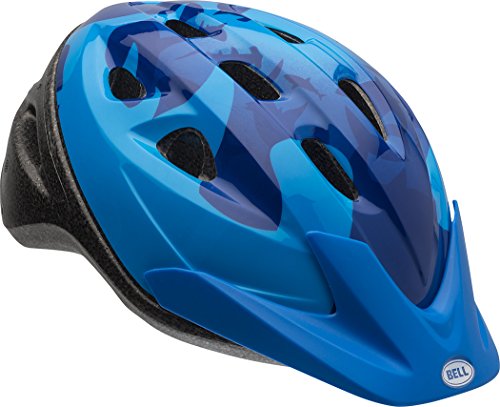 |
Best Pinch-Free Buckle | Age Range: 5-8 years (recommended) | Head Circumference: 52-56 cm | Best For: Kids who resist buckling up because of past pinches | VIEW LATEST PRICE | Read Our Analysis |
| Besttravel Kids Bike Helmet |  |
Best Budget Pick | Age Range: 3-8 years | Head Circumference: 48-54 cm | Best For: Budget-conscious parents outfitting a fast-growing kid | VIEW LATEST PRICE | Read Our Analysis |
| Schwinn Thrasher Helmet for Kids (Ages 8-14) |  |
Best for Older Kids and Trail Riding | Age Range: 8-14 years | Head Circumference: 55-58 cm | Best For: Pre-teens riding trails or longer distances | VIEW LATEST PRICE | Read Our Analysis |
| 80SIX Triple-Certified Multisport Helmet |  |
Best Overall | Age Range: 5+ (three size options: 5+, 8+, 14+) | Head Circumference: 49-58 cm across sizes | Best For: Families wanting one certified helmet that covers biking, skating, and scootering | VIEW LATEST PRICE | Read Our Analysis |
More Details on Our Top Picks
Schwinn Classic Bike Helmet for Kids (Ages 1-3)
The Schwinn Classic is sized specifically for the trickiest fitting range: kids just old enough to sit upright on a balance bike or in a bike trailer, where a generic 'small' helmet from an adult-oriented brand will not sit correctly. At 44-50 cm, it is built for genuinely small heads, not a marketing size that starts at kindergarten.
The lower molded shell extends coverage around the back and sides of the head, which matters at this age since toddlers fall unpredictably and often backward. Schwinn certifies it to the CPSC extended head coverage standard specifically because of that lower shell design, not the standard minimum coverage line.
The 360-degree dial system is the detail parents will appreciate most: no foam pad swapping as your toddler grows, just a twist at the back. Multiple air vents keep things reasonably breathable, and the integrated visor blocks some sun without adding a separate part for little hands to pull off.
The honest caveat: this is a bright, playful toddler design, not a helmet that will last into elementary school. Budget for a resize once your child reaches the upper end of the head circumference range, and always re-check fit every few months at this age since growth is fast and uneven.
- Age Range:1-3 years
- Head Circumference:44-50 cm
- Certification:CPSC (Persons Age 1 and Older, Extended Head Coverage)
- Fit System:360-degree adjustable dial
- Visor:Integrated, non-removable
- Best For:First-time toddler riders on a balance bike or trailer seat
Bimalsic Toddler Bike Helmet (6 Months-2.5 Years)
Very few kids helmets on the market genuinely fit a 6-month-old to 2.5-year-old head, and that narrow XS range is why this one earns a spot. If your child is starting on a push bike or a bike seat before they can talk, the sizing options above will likely sit too high and too loose.
The polycarbonate shell is built with a lighter, thinner-walled construction than typical ABS toddler helmets, which matters when the wearer has limited neck strength to hold their head up under any extra weight. Two interchangeable pad thicknesses let you fine-tune fit as your child grows between the labeled size brackets rather than jumping straight to the next helmet.
Twelve vents keep airflow moving, which is a genuine comfort factor with toddlers since an overheated child fights the helmet more than a comfortable one does. The brand's own sizing notes are unusually specific and worth reading closely: if your child measures right at the 48 cm boundary, they recommend sizing up rather than down.
This is a budget, direct-to-consumer brand rather than an established cycling name, so build quality consistency is a reasonable question to ask. For the specific job of fitting a genuinely tiny head with CPSC and ASTM certification, it fills a gap the bigger brands mostly skip.
- Age Range:6 months-2.5 years (XS); 2-6 years (S)
- Head Circumference:45-49 cm (XS); 48-54 cm (S)
- Certification:CPSC 1203 + ASTM F1447 (extended head coverage)
- Fit System:Rear turning dial + dual-thickness pads (4mm/7mm)
- Shell:Polycarbonate
- Best For:The youngest riders who need the smallest available sizing
Retrospec Scout Kids Bike Helmet
The Scout's integrated sun visor is the reason to pick it over otherwise similar multi-sport helmets: it is molded into the shell rather than a separate clip-on piece, so there is nothing extra for a kid to lose or a parent to reattach after it pops off mid-ride.
Fourteen vents is a genuinely high count for a kids helmet at this price point, and it shows in practice on warmer rides, sweaty scalps mean a kid is more likely to ask to take the helmet off, so the ventilation is a real comfort and compliance factor, not a spec-sheet number.
The adjustable dial system and washable interior padding cover the practical basics well. Two shell sizes span a wide age bracket, which is convenient for households buying for more than one child close in age, though always measure rather than assuming a size based on age alone.
One thing to watch: 'multi-sport' branding on helmets like this means the shell is designed to flex across biking, skating, and scootering. That is a reasonable trade-off for most family use, but if your child rides aggressively off-road, a dedicated bike helmet with a more protective rear shell profile may serve them better.
- Age Range:Toddler 45-49 cm; Kids 49-53 cm
- Certification:CPSC (Persons Age 1 and Older)
- Vents:14
- Fit System:Adjustable dial
- Visor:Built-in sun shield
- Sizes:2 (covers toddler through youth range)
- Interior:Removable, washable padding
- Best For:Kids who ride in direct sun and squint or complain about glare
Bell Rally Child Helmet
Bell is one of the most established names in bicycle helmets, and the Rally reflects that experience in a detail that sounds minor but is not: the patented Pinch Guard buckle is specifically engineered to prevent the chin strap from pinching skin during buckling, a genuinely common complaint that makes kids fight helmet time.
The shell follows a classic, low-profile bicycle helmet shape rather than an aggressive multi-sport design, which tends to sit more predictably on a kid's head and look proportionate rather than oversized. The True Fit system is a single adjustment point, so there is less for a parent to fumble with at the trailhead or before school drop-off.
Bell's own sizing guidance is worth repeating here because it applies to every helmet on this list: they explicitly note that head sizes vary even within a stated age range, and recommend measuring rather than buying by age alone. That is sound advice from a brand with decades of helmet-fitting data behind it.
The tradeoff for the Rally's simplicity is a narrower size range (52-56 cm) than some multi-size competitors, so it suits one child at roughly one stage rather than growing with them for years. For a first 'real' bike helmet after the toddler stage, it is a dependable, no-surprises pick from a brand with a long safety track record.
- Age Range:5-8 years (recommended)
- Head Circumference:52-56 cm
- Certification:CPSC (Persons Age 5 and Older)
- Fit System:True Fit one-step adjustment
- Buckle:Patented Pinch Guard buckle
- Best For:Kids who resist buckling up because of past pinches
Besttravel Kids Bike Helmet
At under 13 ounces, the Besttravel helmet is genuinely light for its price tier, which matters for the 3-8 age bracket where a heavy helmet is more likely to sit crooked or get pulled off out of discomfort. The ABS shell over an EPS core covers the basic impact-absorption construction you want to see regardless of price.
Eleven vents and a breathable foam liner keep it reasonably comfortable for warm-weather riding, and the adjustable fit system is designed to stretch across the 3-8 year range as a budget-friendly way to avoid buying a new helmet every year.
This is a lesser-known direct-to-consumer brand rather than an established cycling name like Bell or Schwinn, so go in with realistic expectations: it covers the fundamentals (ABS/EPS shell construction, adjustability, ventilation) without the fit-system refinement or long-term shell durability testing history of the bigger brands. Its own listing does not state a CPSC certification anywhere in the product description, unlike every other helmet on this list. Confirm the CPSC 1203 label is present on the physical helmet or in the listing's images before buying, since that label is what makes a helmet legal to sell for bicycle use in the U.S.
For a family buying a first helmet, outfitting multiple kids on a budget, or wanting a spare for a grandparent's house, this fills that role reasonably well. If your child rides often and hard, consider stepping up to a more established brand as their primary helmet.
- Age Range:3-8 years
- Head Circumference:48-54 cm
- Certification:Not stated on listing, confirm CPSC 1203 label before buying
- Shell:ABS with EPS shock-absorbing core
- Weight:Approx. 12.5 oz
- Vents:11
- Best For:Budget-conscious parents outfitting a fast-growing kid
Schwinn Thrasher Helmet for Kids (Ages 8-14)
The Thrasher is built for the age bracket where kids start riding further, faster, and off pavement, and the spec sheet reflects that: twenty air vents is a meaningful step up in ventilation over the toddler-oriented helmets on this list, which matters once a kid is riding hard enough to actually sweat.
Schwinn's microshell construction keeps weight down while extending coverage lower around the head than a minimal shell would, meeting the CPSC 1203 standard at this larger youth size. The dial retention system paired with independently adjustable side and chin straps gives a more precise, multi-point fit than a single-adjustment helmet, appropriate for a kid who will actually notice if a helmet shifts during a ride.
The removable, washable full-coverage padding is a practical detail once kids are riding often enough that helmet hygiene becomes a real consideration, and the removable visor lets you leave it off entirely for kids who find visors distracting on faster rides.
As with any helmet in this size range, verify head circumference before buying rather than relying on the stated age bracket. Kids in the 8-14 range have an unusually wide natural size variation, and a helmet that runs even slightly loose will not protect the way it should in a fall.
- Age Range:8-14 years
- Head Circumference:55-58 cm
- Certification:CPSC 1203
- Fit System:Adjustable dial + side and chin straps
- Vents:20
- Best For:Pre-teens riding trails or longer distances
80SIX Triple-Certified Multisport Helmet
The 80SIX earns Best Overall because it is the only helmet on this list certified to three separate standards at once: CPSC for bicycling, ASTM F1447 for recreational biking and roller skating, and ASTM F1492 for skateboarding and trick roller skating. For a household where one kid rides a bike, skates, and rides a scooter in the same week, that breadth of certification is genuinely useful rather than a marketing add-on.
Three distinct size options (5+, 8+, and 14+ youth/small-medium adult) span a wider practical age range than most single-shell kids helmets, which makes it a sensible pick if you are buying for siblings a few years apart or want one helmet to last through multiple growth stages without a full replacement.
The classic bike helmet shell shape is intentionally unremarkable in a good way: sturdy, well-ventilated, and proportioned like a real bicycle helmet rather than a novelty shape. Schwinn-style dial systems are not included here; instead it uses a side-release buckle chin strap, which is simple and reliable but slightly less precise than a rear dial for day-to-day micro-adjustments.
The brand is upfront that the interior foam needs a short break-in period to conform to a child's head shape, which is worth setting expectations for. It should still fit snugly from day one for protection purposes, comfort simply improves over the first few wears.
- Age Range:5+ (three size options: 5+, 8+, 14+)
- Head Circumference:49-58 cm across sizes
- Certification:CPSC + ASTM F1447 + ASTM F1492 (triple-certified)
- Shell:ABS with EPS foam liner
- Fit System:Adjustable chin strap with side-release buckle
- Best For:Families wanting one certified helmet that covers biking, skating, and scootering
How to Choose a Bike Helmet for Your Kid
Kids bike helmets look simple, but getting the fit and certification right matters more here than almost any other gear purchase you will make for a young rider. Here is what actually differs between the options.
CPSC 1203: The Certification That Is Not Optional
Every bicycle helmet sold in the United States is legally required to meet CPSC 1203, the Consumer Product Safety Commission's bicycle helmet standard. This is not a premium feature to shop for, it is the floor. Some multi-sport helmets add ASTM F1447 (recreational biking and roller skating) or ASTM F1492 (skateboarding and trick roller skating) on top of the CPSC baseline, which is a genuine bonus if your child splits time between a bike and a board or scooter. Confirm the CPSC label is present regardless of what else the helmet claims.
Sizing by Head Circumference, Not Age
Age ranges printed on the box are a starting point, not a guarantee. Kids' head sizes vary substantially even within a narrow age band. Measure your child's head circumference with a soft tape measure just above the eyebrows and ears, then match that number to the helmet's stated range rather than the age label. Our fitting guide walks through the full process, including how the helmet should sit (level, not tilted back) and the two-finger and one-finger tests for strap tightness.
MIPS: Worth Knowing About, Even If You Skip It
MIPS (Multi-directional Impact Protection System) is a rotational-impact liner technology that has become common in adult and premium youth helmets, but it is largely absent from the budget and mid-range kids helmets in this roundup, none of the seven picks above include it. If MIPS is a priority for your family, expect to shop dedicated cycling brands at a higher price point rather than general multi-sport helmets. It is not a safety requirement, and a properly fitted CPSC helmet without MIPS is still a legitimate protective helmet, but it is a real feature difference worth understanding before you buy. See our broader how to choose a bike helmet guide for more on MIPS and other technology differences.
Fit System: Dial vs. Pad Swap vs. Single Strap
A rear adjustment dial (sometimes branded as a 360-degree fit system) lets you tighten or loosen the helmet in seconds as your child grows or as hair length changes between seasons. Helmets that rely purely on swapping foam pads of different thickness work, but are less convenient day to day. A single side-release buckle chin strap without a rear dial is simpler and often lighter, but gives you one less adjustment point for fine-tuning fit.
Buckle Safety: The Detail Parents Overlook
A helmet a child refuses to wear provides zero protection. Pinch-prone buckles are a common, fixable reason kids resist helmet time. Look for buckles specifically designed to guard against pinching skin, like Bell's Pinch Guard system, especially for younger kids who are still learning to buckle a helmet themselves.
Bike Helmet vs. Skateboard Helmet: Know the Difference
Bicycle and skateboard helmets are tested against different impact standards because falls differ: bike crashes typically involve a single higher-speed impact, while skateboard falls often involve multiple lower-speed impacts to the back of the head. A helmet certified under CPSC 1203 alone is built and tested for the bike-crash profile. If your child primarily skateboards, our best kids skateboard helmet guide covers helmets built and certified for that specific use case.
Replace After Any Real Impact
The EPS foam liner inside every helmet on this list is a single-use crash absorber. It protects by compressing and cracking on impact, and that damage is frequently invisible from the outside. If your child crashes hard enough to hit their head, replace the helmet, even if it looks undamaged. Most manufacturers also recommend replacing helmets every few years regardless of impact history, since foam and plastic can degrade with UV exposure and age.
Kids Bike Helmet by Age Comparison
| Helmet | Age Range | Certification | Fit System | Best For |
|---|---|---|---|---|
| Schwinn Classic Bike Helmet for Kids (Ages 1-3) | 1-3 years | CPSC (Persons Age 1 and Older, Extended Head Coverage) | 360-degree adjustable dial | First-time toddler riders on a balance bike or trailer seat |
| Bimalsic Toddler Bike Helmet (6 Months-2.5 Years) | 6 months-2.5 years (XS); 2-6 years (S) | CPSC 1203 + ASTM F1447 (extended head coverage) | Rear turning dial + dual-thickness pads (4mm/7mm) | The youngest riders who need the smallest available sizing |
| Retrospec Scout Kids Bike Helmet | Toddler 45-49 cm; Kids 49-53 cm | CPSC (Persons Age 1 and Older) | Adjustable dial | Kids who ride in direct sun and squint or complain about glare |
| Bell Rally Child Helmet | 5-8 years (recommended) | CPSC (Persons Age 5 and Older) | True Fit one-step adjustment | Kids who resist buckling up because of past pinches |
| Besttravel Kids Bike Helmet | 3-8 years | Confirm CPSC label | - | Budget-conscious parents outfitting a fast-growing kid |
| Schwinn Thrasher Helmet for Kids (Ages 8-14) | 8-14 years | CPSC 1203 | Adjustable dial + side and chin straps | Pre-teens riding trails or longer distances |
| 80SIX Triple-Certified Multisport Helmet | 5+ (three size options: 5+, 8+, 14+) | CPSC + ASTM F1447 + ASTM F1492 (triple-certified) | Adjustable chin strap with side-release buckle | Families wanting one certified helmet that covers biking, skating, and scootering |
Frequently Asked Questions
Do kids bike helmets need to be MIPS-certified?
No. MIPS is a rotational-impact liner technology, not a legal or safety certification requirement. The only mandatory standard for a bicycle helmet sold in the U.S. is CPSC 1203. MIPS is a genuine additional layer of protection against rotational forces, and it has become common in premium and mid-range adult helmets, but it is largely absent from the budget and mainstream kids helmet segment, including every helmet in this roundup. A properly fitted, CPSC-certified helmet without MIPS is still a legitimate, protective choice. If MIPS matters to your family, expect to pay more and look at dedicated cycling brands rather than general multi-sport helmets.
How do I know if a kids helmet actually fits?
Measure head circumference with a soft tape measure around the largest part of the head, just above the eyebrows and ears, and match that number to the helmet's stated range rather than the printed age. The helmet should sit level on the head, not tilted back to expose the forehead. The side straps should form a V just under each ear, and the chin strap should be snug enough that only one or two fingers fit underneath it. See our full fitting guide for the complete process.
Is a multi-sport helmet as safe as a dedicated bike helmet for cycling?
If it carries CPSC 1203 certification, yes, for bicycle use specifically. Many kids helmets add ASTM F1447 or F1492 certifications on top of CPSC to also cover recreational skating or skateboarding, which is a convenience for families whose kids move between activities. The certification to check is CPSC 1203, since that is the standard tested against actual bicycle crash forces.
How often should we replace a kids bike helmet?
Replace immediately after any impact where your child's head actually hit the helmet, even if there is no visible damage. The EPS foam core absorbs energy by crushing, and that damage is not always visible from the outside. Absent any impact, most manufacturers recommend replacing a helmet every few years as foam and shell materials can degrade with age and UV exposure, and because a growing child will likely need a larger size well before that anyway.
What is the difference between a bike helmet and a skateboard helmet for kids?
The two are tested against different impact profiles. Bicycle helmets (CPSC 1203) are built for a single, typically higher-speed impact. Skateboard helmets (ASTM F1492) are built to handle multiple lower-speed impacts, since skateboard falls often involve the back of the head hitting the ground more than once. If your child rides a bike as their primary activity, prioritize CPSC certification; if skateboarding is primary, see our kids skateboard helmet guide instead.
Should I buy a helmet my kid can grow into?
No. A helmet that is too large will shift or tilt during a fall and fail to protect the areas it is supposed to cover. Buy for your child's current head circumference, not a projected future size. The adjustable dial systems on most modern kids helmets already provide a reasonable range of growth room within a properly sized helmet, which is a safer way to extend a helmet's useful life than buying oversized.
DOT vs ECE vs Snell vs MIPS, how to pick the right lid in 60 seconds, and when to replace it. One page, no fluff.
