
Affiliate disclosure As an Amazon Associate we earn from qualifying purchases, at no extra cost to you.
Catching is the one position where a kid takes foul tips, backswings, and wild pitches straight to the head and throat every inning. The gear behind the plate matters more than almost anything else on the field, and it is also the part of the kit parents most often get wrong. At the Research Desk we pulled together the youth catcher's helmets and masks that pass NOCSAE standards, fit a growing head, and hold up to a full season of dirt and sweat.
Below we break down eight options, from one-piece hockey-style helmets to traditional mask-and-skull-cap setups and full catcher's sets that bundle the chest protector and leg guards. We flag what each one does well and where it falls short, so you can match the gear to your player's age, league rules, and budget without guessing.
For the wider picture on head protection in youth sports, our notes on football helmets and concussion and how to read Virginia Tech helmet ratings are worth a read alongside this guide.
Key Takeaways
- Most leagues require a NOCSAE-certified helmet for catchers, so check for the stamp before anything else.
- Hockey-style one-piece helmets give the fullest head, ear, and jaw coverage; traditional mask plus skull cap setups are lighter and cooler but leave the back of the head exposed.
- Fit is measured by hat size or head circumference, not age alone; a loose helmet shifts on impact and a tight one gets ditched mid-game.
- A dangling throat guard on the mask is cheap insurance against a ball to the neck and is mandatory in many youth leagues.
- Full catcher's sets cost more up front but bundle the chest protector and leg guards, which usually works out cheaper than buying each piece alone.
| Rawlings Players Series Catcher's Helmet |  |
Best Overall Hockey-Style | Type: Hockey-style one-piece | Certification: Meets NOCSAE standard | Best for: Younger catchers who want full wrap-around coverage | VIEW LATEST PRICE | Read Our Analysis |
| Easton Black Magic 3.0 Youth Catcher's Set | 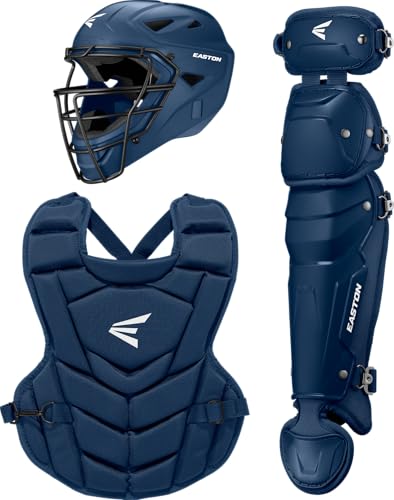 |
Best Full Set | Type: Full set: helmet plus chest protector and leg guards | Certification: NOCSAE certified, all levels of play | Best for: Players who need the full kit in one purchase | VIEW LATEST PRICE | Read Our Analysis |
| Rawlings Renegade 2.0 Catcher's Helmet |  |
Best for Older Youth | Type: Hockey-style one-piece | Certification: Meets NOCSAE standard | Best for: Catchers age 15 and up moving out of youth gear | VIEW LATEST PRICE | Read Our Analysis |
| Mizuno Youth G4 Samurai Catcher's Helmet |  |
Best Traditional Mask | Type: Traditional mask, worn with a separate skull cap | Certification: Meets NOCSAE standards | Best for: Catchers who want a lighter, cooler mask | VIEW LATEST PRICE | Read Our Analysis |
| Under Armour Victory Series Youth Catching Mask |  |
Best Lightweight Mask | Type: Traditional molded mask, worn with a skull cap | Certification: Check current NOCSAE stamp before league use | Best for: Recreational and developing youth catchers | VIEW LATEST PRICE | Read Our Analysis |
| Easton Black Magic 2.0 Youth Catcher's Set | 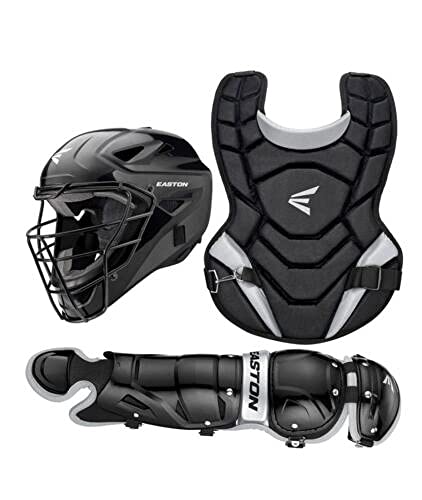 |
Best for Youngest Catchers | Type: Full set: hockey-style helmet plus chest protector and leg guards | Certification: Confirm NOCSAE stamp before league use | Best for: First-time and beginner catchers in coach- or machine-pitch | VIEW LATEST PRICE | Read Our Analysis |
| Champion Sports Lightweight Youth Catcher's Mask |  |
Best Budget Mask | Type: Traditional metal-frame mask with harness | Certification: Confirm NOCSAE stamp for league play | Best for: Budget-conscious rec and little league use | VIEW LATEST PRICE | Read Our Analysis |
| All-Star Hollow Steel FM25 LUC Traditional Mask |  |
Best Step-Up Mask | Type: Traditional hollow-steel mask, worn with a skull cap | Certification: Confirm NOCSAE stamp for league play | Best for: Serious young catchers who want a pro-style mask | VIEW LATEST PRICE | Read Our Analysis |
More Details on Our Top Picks
Rawlings Players Series Catcher's Helmet
This is the helmet we point most youth catchers toward first. The one-piece hockey-style shell wraps the whole head, ears, and jaw in a single ABS shell, so there is no exposed skull cap to worry about on a backswing or a ball off the mask.
The Cool-Flo venting and Pro Dri Plus interior padding keep heat and sweat manageable across a doubleheader, which is where cheaper one-piece helmets tend to turn into a sauna. The high-strength cage holds its shape after repeated foul tips.
It meets the NOCSAE standard required by most youth leagues, so it clears the rulebook for game play out of the box. The 6 1/2" to 7" range covers most grade-school and early-middle-school heads.
Honest downsides: a one-piece helmet is heavier and warmer than a bare mask, and there is no adjustment beyond the fit pads, so measure the hat size carefully before buying. It does not ship with a throat guard, so add a dangler if your league requires one.
- Type:Hockey-style one-piece
- Certification:Meets NOCSAE standard
- Throat guard:Cage extends low; add a dangling guard for leagues that require one
- Sizes:Youth 6 1/2" to 7"
- Ventilation:Cool-Flo vent ports plus Pro Dri Plus liner
- Best for:Younger catchers who want full wrap-around coverage
Easton Black Magic 3.0 Youth Catcher's Set
If you are kitting out a catcher from scratch, the Black Magic 3.0 set bundles the helmet, a 13 1/2" chest protector, and 13" articulated leg guards, which usually undercuts the cost of buying the three pieces separately.
The helmet uses a high-tensile steel mask with a centered viewport, so sightlines on a pitch are clean. The leg guards are contoured to move with the catcher's stance rather than bunching up when the player drops to block.
The whole set is NOCSAE certified for all levels of baseball and softball play, which keeps it league-legal. Youth Large covers the 9 to 12 age band; a Youth Medium exists for ages 6 to 9 if you need a smaller fit.
Trade-offs: a mask-style helmet leaves the back and top of the head reliant on a separate skull cap, which this set does not include, so it offers less wrap-around coverage than a one-piece. The chest protector runs to one fixed 13 1/2" size, so a small or tall kid may sit at the edge of the fit.
- Type:Full set: helmet plus chest protector and leg guards
- Certification:NOCSAE certified, all levels of play
- Throat guard:Mask viewport sits centered; no separate dangler included
- Sizes:Youth Large, ages 9 to 12, 6 1/8" to 7" hat size
- Ventilation:Open steel cage design
- Best for:Players who need the full kit in one purchase
Rawlings Renegade 2.0 Catcher's Helmet
The Renegade 2.0 is built for the older end of the youth bracket, with the brand pitching it at athletes 15 and up. It is the helmet we suggest for a player who has outgrown a basic youth shell but is not yet in adult sizing.
The upgraded shell adds a moisture-wicking liner and a form-fitting chin pad, which makes a real difference in comfort over a long game compared with the entry-level Players Series. The cage is the same high-strength design built for repeated contact.
It meets the NOCSAE standard, so it is cleared for league play. The one-piece hockey-style build gives the same full head and jaw coverage as our top pick, just tuned for a slightly older, larger frame.
Watch-outs: the 6 1/2" to 7" junior range is not actually that large, so confirm the hat size fits an older teen before buying. Ventilation is more modest than the Cool-Flo Players Series, so it can run warm in summer heat.
- Type:Hockey-style one-piece
- Certification:Meets NOCSAE standard
- Throat guard:Low cage coverage; dangling guard sold separately
- Sizes:Junior 6 1/2" to 7"
- Ventilation:Moisture-wicking liner, limited vent ports
- Best for:Catchers age 15 and up moving out of youth gear
Mizuno Youth G4 Samurai Catcher's Helmet
Mizuno's G4 Samurai is the traditional-mask pick for players who find a one-piece helmet too hot or too heavy. It is worn over a separate batting-style skull cap rather than enclosing the whole head, which keeps it light and airy.
The strong steel-framed cage handles foul tips well, and the three-layer EVA foam padding plus an adjustable jaw pad give it a more refined feel than budget masks. The matte finish cuts glare under stadium lights.
It meets NOCSAE standards and the one-size-fits-most range stretches from 6 1/2" to 7 1/4", so it grows with a player better than a fixed-size shell. The strategic venting is its standout feature on a hot afternoon.
The honest cost of going traditional: a mask leaves the back and sides of the head protected only by the skull cap you pair it with, so total coverage is less than a hockey-style helmet. The harness needs to be snugged correctly or the mask can shift, and the skull cap is a separate buy.
- Type:Traditional mask, worn with a separate skull cap
- Certification:Meets NOCSAE standards
- Throat guard:Steel-framed cage; pair with a dangling guard
- Sizes:One size fits most, youth 6 1/2" to 7 1/4"
- Ventilation:Strategic ventilation system, very open
- Best for:Catchers who want a lighter, cooler mask
Under Armour Victory Series Youth Catching Mask
The Victory Series is a solid molded youth catching mask aimed at the recreational and learning end of the spectrum. It is light, simple, and easy for a younger player to put on and take off without help.
The molded construction is durable and comfortable, and the low weight is the main draw for kids who find a fuller helmet cumbersome. It pairs with a standard skull cap the same way the Mizuno does.
It suits all levels of casual play, but it is the most basic option here in terms of padding and adjustability, which is reflected in its price point. For coach-pitch and rec-league use it does the job.
Be careful here: product listings are thin on certification detail, so confirm the helmet carries a current NOCSAE stamp before using it in any league that requires one. As a traditional mask it also leaves the back of the head to the skull cap alone.
- Type:Traditional molded mask, worn with a skull cap
- Certification:Check current NOCSAE stamp before league use
- Throat guard:Solid molded frame; add a dangling guard
- Sizes:Youth
- Ventilation:Open mask, good airflow
- Best for:Recreational and developing youth catchers
Easton Black Magic 2.0 Youth Catcher's Set
The Black Magic 2.0 set is the one we steer the youngest and newest catchers toward. It spans both Junior (ages 6 to 8) and Youth (ages 9 to 12) sizing and bundles a hockey-style helmet, chest protector, and leg guards in one box, so a family does not have to shop three separate items to gear up a first-time catcher.
The helmet is a hockey-style ABS shell with a steel cage and dual-density foam, so it gives a beginner the full wrap-around coverage a nervous first-timer benefits from. It ships with a single Small helmet across both the Junior and Youth kits, while the chest protector and leg guards size up separately to match the player.
Easton pitches the whole set at the youth or beginner catcher. The foam-padded chest protector closes with velcro for quick on and off between innings, and the leg guards add a knee design with a shin plate to deflect balls in the dirt. As with any catcher's helmet, confirm the current NOCSAE stamp on the listing before using it in a sanctioned league.
Limitations: this is entry-level gear, so the padding on the chest protector and leg guards is thinner than a step-up set built for a catcher who plays year-round. The mitt is not included, and there is no separate throat dangler in the box.
- Type:Full set: hockey-style helmet plus chest protector and leg guards
- Certification:Confirm NOCSAE stamp before league use
- Throat guard:Steel cage; no separate dangler included
- Sizes:Junior ages 6 to 8 or Youth ages 9 to 12; helmet is one size
- Ventilation:ABS shell with steel cage and dual-density foam
- Best for:First-time and beginner catchers in coach- or machine-pitch
Champion Sports Lightweight Youth Catcher's Mask
Champion Sports makes the budget traditional mask in this lineup. It is a metal-frame catcher's mask with full chin and forehead pads plus extended guards down to the neck and ears, all at a price that softens the blow of a fast-growing kid.
The light metal frame keeps pressure off the face during play, and the included helmet harness has back straps that adjust between pitches. For a player who only catches occasionally, it is a sensible spend.
It is pitched from little league up to middle-school fast pitch, so it covers a broad youth range. The classic black finish matches most team kits.
The trade-offs are what you would expect at this price: padding and build quality are basic, and the listing does not lead with a clear NOCSAE certification, so verify the stamp before any sanctioned game. Like all traditional masks it needs a skull cap for full head coverage.
- Type:Traditional metal-frame mask with harness
- Certification:Confirm NOCSAE stamp for league play
- Throat guard:Extended metal guards for neck and ears
- Sizes:Youth, small child fit
- Ventilation:Open metal frame, very breathable
- Best for:Budget-conscious rec and little league use
All-Star Hollow Steel FM25 LUC Traditional Mask
The All-Star FM25 is the step-up traditional mask for a committed young catcher who wants gear closer to what they see on TV. The hollow-steel cage is both lightweight and sturdy, a combination cheaper masks rarely manage.
All-Star's I-Bar Vision construction widens the sightlines through the cage, and the built-in LUC pads plus a DeltaFlex harness make it one of the more comfortable and secure masks here at around 21 ounces.
It is the choice for a player who catches regularly and wants the lighter, cooler feel of a traditional mask without dropping to budget build quality. The harness keeps it stable through a full game.
Things to weigh: as a serious mask it costs more than the budget options, and confirm the current NOCSAE stamp before league use. Being a traditional mask, it still relies on a separate skull cap for back-of-head coverage.
- Type:Traditional hollow-steel mask, worn with a skull cap
- Certification:Confirm NOCSAE stamp for league play
- Throat guard:Cage coverage; pair with a dangling guard
- Sizes:Youth and up
- Ventilation:Open hollow-steel cage, lightweight
- Best for:Serious young catchers who want a pro-style mask
How to Choose a Youth Catcher's Helmet
Picking gear for a catcher is not like buying a batting helmet. The catcher faces foul tips, backswings, and wild pitches straight to the head and throat, so the decision comes down to coverage, certification, and fit rather than looks. Here is how we sort the options at the Research Desk.
Helmet types: hockey-style vs traditional mask
There are two main builds. A hockey-style one-piece helmet wraps the entire head, ears, and jaw in a single shell, giving the fullest protection and the least exposed surface. The trade-off is more weight and more heat. A traditional mask is worn over a separate batting-style skull cap; it is lighter and far cooler, but it leaves the back and top of the head protected only by that cap. A handful of products bundle the helmet into a full catcher's set with a chest protector and leg guards, which is the cheaper route if you are buying everything at once. We label which is which in the table above.
NOCSAE certification
NOCSAE is the safety standard that governs catcher's head gear, and most youth leagues require a NOCSAE-certified helmet for any player behind the plate. Look for the stamp on the shell before you buy. A few budget masks bury or omit the certification in their listings, so when it is not stated plainly, confirm it directly rather than assuming. For background on how protective ratings work across sports, our explainer on Virginia Tech helmet ratings is a useful companion read.
Fit and sizing for youth
Fit is measured by hat size or head circumference, not by age. Measure around the widest part of the head, just above the eyebrows, and match it to the helmet's stated range. A helmet that is too loose will shift on impact and slide during a block; one that is too tight gets abandoned by the third inning. Adjustable pads and straps help a helmet grow with a player across a season, but they cannot rescue a shell that is the wrong size band to begin with.
Throat and jaw protection
The throat is the gap a fast ball loves to find. Many one-piece helmets and masks accept a dangling throat guard that clips to the bottom of the cage, and a lot of youth leagues mandate one. It costs little and we treat it as standard kit rather than an optional extra. Check whether your chosen helmet ships with a dangler or whether you need to add one.
Ventilation, finish, and weight
A catcher squats in full gear for two hours, so airflow matters. Traditional masks breathe best; one-piece helmets vary, and the better ones add vent ports and moisture-wicking liners. A matte finish cuts glare under lights better than gloss. Weight is the last lever: lighter gear keeps a young player mobile, but never trade away coverage or certification just to shave a few ounces. The same logic that drives head-protection design in other youth sports, like the work we cover on football helmets and concussion, applies here too.
Youth Catcher's Helmet Comparison
| Helmet | Type | Certification | Sizes | Best For |
|---|---|---|---|---|
| Rawlings Players Series Catcher's Helmet | Hockey-style one-piece | Meets NOCSAE standard | Youth 6 1/2" to 7" | Best Overall Hockey-Style |
| Easton Black Magic 3.0 Youth Catcher's Set | Full set: helmet plus chest protector and leg guards | NOCSAE certified, all levels of play | Youth Large, ages 9 to 12, 6 1/8" to 7" hat size | Best Full Set |
| Rawlings Renegade 2.0 Catcher's Helmet | Hockey-style one-piece | Meets NOCSAE standard | Junior 6 1/2" to 7" | Best for Older Youth |
| Mizuno Youth G4 Samurai Catcher's Helmet | Traditional mask, worn with a separate skull cap | Meets NOCSAE standards | One size fits most, youth 6 1/2" to 7 1/4" | Best Traditional Mask |
| Under Armour Victory Series Youth Catching Mask | Traditional molded mask, worn with a skull cap | Check current NOCSAE stamp before league use | Youth | Best Lightweight Mask |
| Easton Black Magic 2.0 Youth Catcher's Set | Full set: hockey-style helmet plus chest protector and leg guards | NOCSAE-certified helmet | Ages 6 to 8, adjustable youth fit | Best for Youngest Catchers |
| Champion Sports Lightweight Youth Catcher's Mask | Traditional metal-frame mask with harness | Confirm NOCSAE stamp for league play | Youth, small child fit | Best Budget Mask |
| All-Star Hollow Steel FM25 LUC Traditional Mask | Traditional hollow-steel mask, worn with a skull cap | Confirm NOCSAE stamp for league play | Youth and up | Best Step-Up Mask |
DOT vs ECE vs Snell vs MIPS, how to pick the right lid in 60 seconds, and when to replace it. One page, no fluff.
Frequently Asked Questions
Do youth catchers need a NOCSAE-certified helmet?
In most leagues, yes. NOCSAE certification is the standard for catcher's head gear, and the majority of youth baseball and softball leagues require any player catching behind the plate to wear a NOCSAE-certified helmet or mask. Look for the stamp on the shell, and when a listing does not state it clearly, confirm the certification before using the gear in a sanctioned game.
What is the difference between a hockey-style helmet and a traditional catcher's mask?
A hockey-style helmet is a one-piece shell that wraps the whole head, ears, and jaw, giving the fullest coverage at the cost of more weight and heat. A traditional mask is worn over a separate skull cap and protects the face and front of the head while leaving the back to that cap. Hockey-style suits younger or nervous catchers; traditional masks appeal to players who want lighter, cooler gear and accept the lesser coverage.
How do I size a catcher's helmet for my child?
Measure your child's head circumference around the widest point, just above the eyebrows, and match that to the helmet's stated hat-size or circumference range. Do not size by age alone. A correctly sized helmet sits snug without pinching and does not shift when the player nods or drops to block. Adjustable pads and straps can fine-tune the fit, but start from the right size band.
Does my catcher need a throat guard?
We treat a dangling throat guard as standard kit, and many youth leagues require one. It clips to the bottom of the cage and protects the gap a ball can otherwise reach. Most one-piece helmets and masks accept a dangler, but few include one in the box, so plan to add it unless the listing says otherwise.
Is a full catcher's set worth it over buying pieces separately?
If you are equipping a catcher from scratch, a full set that bundles the helmet, chest protector, and leg guards usually costs less than buying each piece on its own, and it guarantees the components are sized to match. The trade-off is that set helmets are often mask-style and the padding is tuned to a price point. If your player already owns part of the kit, buying the single piece you need can make more sense.
