
Affiliate disclosure As an Amazon Associate we earn from qualifying purchases, at no extra cost to you.
Autocross looks gentle from the outside. You weave through cones in a parking lot, rarely break highway speed, and the worst thing most runs end with is a knocked-over pylon and a time penalty. So plenty of newcomers assume any helmet on the shelf will pass tech inspection. It will not. SCCA Solo and most club autocross programs require a Snell SA-rated auto racing helmet, and a motorcycle DOT or ECE lid gets you turned away at the line no matter how new or expensive it is.
The Research Desk pulled together the Snell SA2025 auto racing helmets that actually clear tech, sorted full-face from open-face, and flagged the one popular motorcycle helmet that keeps showing up in autocross shopping carts by mistake. Every pick below is honest about exactly what it is rated for, because at a grid worker's discretion the sticker is the only thing that matters.
Key Takeaways
- Snell SA is the rule, not a suggestion. SCCA Solo and most club autocross accept current-or-prior Snell SA (SA2025, SA2020), plus some SAH, M-series, FIA, and SFI labels. A plain DOT or ECE motorcycle helmet does not qualify.
- SA differs from M in two ways that matter. SA helmets add a fire-retardant interior and a roll-bar impact test that motorcycle (M) helmets skip. That is the whole reason auto racing bodies insist on SA.
- Check the standard year before you buy. For 2026 events SA2020 and SA2025 are both valid; SA2010-dated helmets expire 12/31/2026. Always verify the Snell sticker under the liner, not just the box.
- Full-face is the safer default. Open-face SA helmets are legal for autocross and cooler in summer, but full-face adds chin-bar protection for the price of a little extra heat.
- Confirm your specific club's allowances. Rules vary slightly by region and event type. Read your event's tech sheet, since a grid worker can reject any helmet at their discretion.
| ILM Model 890 SA2025 Full-Face |  |
Best Overall | Rating: Snell SA2025 | Type: Full-face | Sizes: Per ILM sizing chart | VIEW LATEST PRICE | Read Our Analysis |
| ILM Model 760 SA2025 Full-Face |  |
Best Value | Rating: Snell SA2025 | Type: Full-face | Sizes: M-XL | VIEW LATEST PRICE | Read Our Analysis |
| Conquer SA2025 Full-Face Racing Helmet |  |
Budget Pick | Rating: Snell SA2025 | Type: Full-face | Sizes: S-XL | VIEW LATEST PRICE | Read Our Analysis |
| ILM Model R95 SA2025 Open-Face | 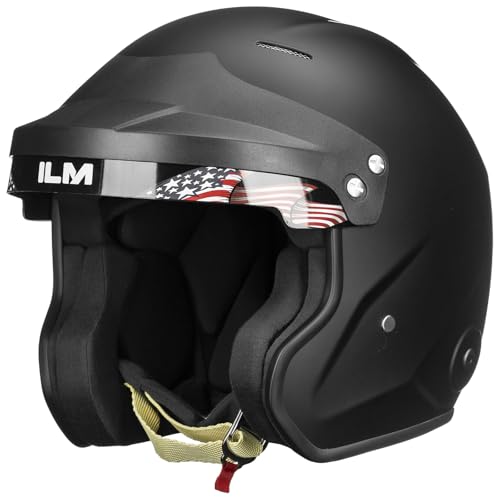 |
Best Open-Face | Rating: Snell SA2025 | Type: Open-face | Sizes: M-XXL | VIEW LATEST PRICE | Read Our Analysis |
| Conquer SA2025 Open-Face (Nomex) | 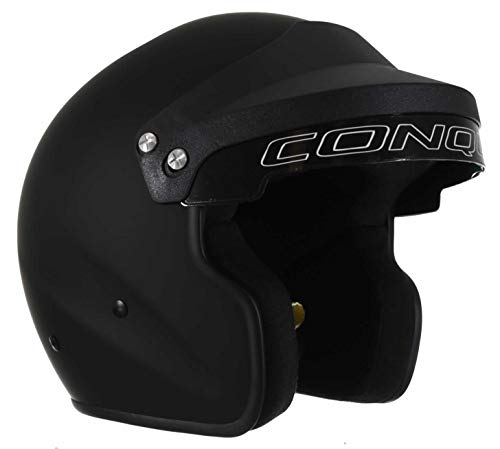 |
Open-Face Alternative | Rating: Snell SA2025 | Type: Open-face | Sizes: S-XL | VIEW LATEST PRICE | Read Our Analysis |
| ILM Model R85 Open-Face |  |
Lightweight Open-Face | Rating: Snell SA (verify label: listing cites SA2020) | Type: Open-face | Sizes: M-XXL | VIEW LATEST PRICE | Read Our Analysis |
| Bell Qualifier (NOT autocross-legal) |  |
Not Autocross-Legal | Rating: DOT + ECE 22.06 (motorcycle) | Type: Full-face motorcycle | Sizes: XS-3XL | VIEW LATEST PRICE | Read Our Analysis |
More Details on Our Top Picks
ILM Model 890 SA2025 Full-Face
The ILM Model 890 is the pick we would hand a first-time autocrosser who wants one helmet that clears tech and lasts several seasons. It carries a current Snell SA2025 label, runs a glass fiber reinforced composite shell, and pairs a fire-retardant EPS liner with double D-ring retention. That combination covers the two things SA certification is built around: fire protection and roll-bar impact resistance.
Practical extras earn their keep here. The shell is drilled for HANS/HNR M6 inserts, so if you ever move from Solo into wheel-to-wheel racing where a head-and-neck device is mandatory, the helmet is ready. The visor takes tear-off posts and has a 40mm sun-shade band along the top edge, which is a genuine help when an afternoon run sends you straight into low sun between cones.
The honest trade-offs are weight and noise. Fiberglass shells are heavier than carbon, so after a full day of runs you will feel it on your neck more than with a premium lid that costs four times as much. Venting is adequate rather than generous, so in mid-summer heat the full-face cabin warms up between runs.
For a budget-to-mid autocross helmet, none of that is a dealbreaker. You are paying for a legal, current-standard, fire-rated full-face that does the job at the cone field. If you want the broadest size run and a clean upgrade path toward a HANS setup, the 890 is the default recommendation.
- Rating:Snell SA2025
- Type:Full-face
- Fire-resistant interior:Yes
- Shell:Glass fiber reinforced plastic (GFRP)
- Best for:Autocross / track day
- Sizes:Per ILM sizing chart
ILM Model 760 SA2025 Full-Face
The ILM Model 760 is the leaner sibling of the 890 and the value play in this lineup. It hits the same Snell SA2025 standard, the same fire-retardant EPS liner, and the same double D-ring chin strap, so for tech-inspection purposes it is every bit as legal. If your goal is simply to autocross legally without overspending, this is the entry point.
Like the 890, the 760 has HANS/HNR M6 threaded inserts molded into the shell, a tear-off-ready visor, and a 40mm sun-shade strip up top. That feature set is unusual at this price and means the helmet is not a dead end if you later catch the racing bug and need head-and-neck restraint compatibility.
The compromises track with the budget. The shell is a more basic FRP layup, the finish is plainer, and the size range is narrower than the 890, topping out at XL. Fit tends toward a rounder-oval head shape, so anyone with a long-oval head should size carefully and expect to spend time confirming the cheek pads sit right.
None of that changes what it is: a current-standard, fire-rated, full-face auto helmet at a price that does not sting. For a once-a-month Solo competitor who wants to pass tech and keep the receipt small, the 760 is the sensible buy.
- Rating:Snell SA2025
- Type:Full-face
- Fire-resistant interior:Yes
- Shell:Fiber reinforced plastic (FRP)
- Best for:Autocross / entry racing
- Sizes:M-XL
Conquer SA2025 Full-Face Racing Helmet
The Conquer full-face is the other mainstream budget SA2025 helmet you will see all over autocross grids. It runs a lightweight fiberglass composite shell, a fire-retardant padded interior, and a 3mm anti-scratch flame-resistant shield with tear-off posts already fitted. A soft carry bag is included, which is a small thing that protects the finish in a crowded trunk on the way to events.
What you are buying is the same core promise as the ILM lids: a current Snell SA2025 sticker that clears tech, fire protection, and a closed chin bar. For a competitor who just wants the cheapest fully legal full-face and does not care about brand cachet, Conquer delivers exactly that and nothing extra.
The cautions are worth reading. Conquer's listing is explicit that this is an auto racing helmet certified to Snell SA2025 and is not FMVSS 218 compliant, so it is strictly off-street. Build quality and finish sit a notch below the ILM helmets, ventilation is modest, and fit consistency between sizes can be hit or miss, so confirm the cheek-pad seal before your first event.
If budget is the deciding factor and you have verified the size fits your head shape, the Conquer is a defensible choice. Just treat it as a cost-first option rather than a comfort-first one, and inspect the Snell label under the liner the moment it arrives.
- Rating:Snell SA2025
- Type:Full-face
- Fire-resistant interior:Yes
- Shell:Fiberglass composite
- Best for:Autocross on a budget
- Sizes:S-XL
ILM Model R95 SA2025 Open-Face
The ILM Model R95 is our pick for anyone who wants an open-face helmet that still passes autocross tech. It carries a current Snell SA2025 label on a glass fiber reinforced composite shell, with a fire-retardant liner and front-and-rear vents that move a lot more air than any full-face can. In a summer parking lot between runs, that airflow is the whole point.
It keeps the features that make the ILM line easy to recommend: HANS/HNR M6 threaded inserts for later head-and-neck restraint use, and a removable 40mm sun-shade strip across the top. For open-cockpit cars, vintage racers, or anyone who simply prefers an unobstructed field of view and easy radio or drink access, an open-face SA helmet is a legitimate and legal choice.
The trade-off is structural and you should weigh it honestly. An open-face helmet has no chin bar, so it offers no face or jaw protection in an impact. SA certification covers the shell, liner, fire resistance, and roll-bar test, but it cannot add protection where there is no material. For autocross, where speeds are low and contact is rare, many drivers accept that; for higher-speed track use, full-face is the safer call.
Within the open-face category this is the one to get. It is cooler, lighter on the face, and clears tech on the same SA2025 standard as the full-face lids. Go in knowing exactly what you are giving up for the breeze.
- Rating:Snell SA2025
- Type:Open-face
- Fire-resistant interior:Yes
- Shell:Glass fiber reinforced plastic (GFRP)
- Best for:Hot-weather autocross
- Sizes:M-XXL
Conquer SA2025 Open-Face (Nomex)
The Conquer open-face is the budget counterpart to the ILM R95 and adds one feature worth calling out: a fire-retardant Nomex-lined interior with removable cheek pads. Nomex is the same material family used in racing suits, so the listing leans on a genuine fire-protection point rather than a generic fire-retardant claim. The shell is a lightweight fiberglass composite carrying a current Snell SA2025 label.
It comes set up for serious use, with HANS M6 threaded inserts molded into the shell and a Kevlar chin strap. For an inexpensive open-face that still clears autocross tech and gives you a path toward a head-and-neck device, it covers the practical bases without a premium price.
The same two caveats apply as with any open-face. There is no chin bar, so jaw and face protection is absent in a crash, and that is a deliberate trade you are making for ventilation and visibility. Conquer's fit and finish also sit below the ILM helmets, so confirm sizing and check that the removable cheek pads seat snugly before you rely on it.
Pick this one if you want an open-face SA helmet on a budget and like the Nomex liner detail. Pair it with realistic expectations about open-face protection and a careful look at the Snell sticker on arrival, and it earns its place on the grid.
- Rating:Snell SA2025
- Type:Open-face
- Fire-resistant interior:Yes (Nomex)
- Shell:Fiberglass composite
- Best for:Open-cockpit / hot weather
- Sizes:S-XL
ILM Model R85 Open-Face
The ILM Model R85 is a lightweight open-face option that lands in the same family as the R95 but with one important asterisk: the product title lists SA2025 while the description text references Snell SA2020. Both standards are accepted for 2026 SCCA Solo, so either way the helmet should clear tech for now, but you must read the actual Snell sticker under the liner to know which standard you received and how long it stays legal.
Setting the label question aside, the R85 offers the usual ILM toolkit: a glass fiber reinforced composite shell, a fire-retardant liner, front and rear vents for heat management, HANS/HNR M6 inserts, and a removable 40mm sun-shade strip. It is built to the same open-face pattern that makes these helmets comfortable in summer heat.
The protection trade-off is the same as every open-face here: no chin bar, no face protection. Add to that the standard-year ambiguity, and this becomes a helmet you buy only if you are willing to verify the sticker yourself and confirm it matches your club's accepted list. If SA2020 is what shows up, plan your replacement timeline accordingly as standards age out.
We include the R85 because it is a real, lightweight, fire-rated open-face that competitors do use. Just treat the certification line as a must-verify rather than a given, and do not assume the listing year is the year on the helmet.
- Rating:Snell SA (verify label: listing cites SA2020)
- Type:Open-face
- Fire-resistant interior:Yes
- Shell:Glass fiber reinforced plastic (GFRP)
- Best for:Autocross / training days
- Sizes:M-XXL
Bell Qualifier (NOT autocross-legal)
The Bell Qualifier is a good, affordable street motorcycle helmet, and it is on this list for one reason: it keeps ending up in autocross shopping carts by mistake. It meets DOT and ECE 22.06, which are motorcycle and street standards. It does not carry a Snell SA rating, and that is the exact line that gets a helmet rejected at SCCA Solo tech inspection.
Two things it lacks are the whole reason SA exists. It has no fire-retardant interior, and it has not passed Snell's roll-bar impact test. Those tests exist because a car crash and a motorcycle crash put different loads on a helmet, and auto racing bodies require the SA-specific protection. The Qualifier is excellent at what it was built for, which is riding a motorcycle on the street, not sitting in a roll cage.
We are not knocking the helmet on its own terms. The polycarbonate shell, the moisture-managing interior padding, and the wide size range make it a solid commuter or weekend-rider lid. If motorcycling is what you do, it is a reasonable buy.
For autocross, though, treat this entry as a warning, not a recommendation. If you show up to a Solo event with a DOT-only motorcycle helmet, you will not run. Buy one of the Snell SA helmets above instead, and save the Qualifier for the bike.
- Rating:DOT + ECE 22.06 (motorcycle)
- Type:Full-face motorcycle
- Fire-resistant interior:No
- Shell:Polycarbonate
- Best for:Street motorcycling, NOT autocross
- Sizes:XS-3XL
How to Choose an Autocross Helmet
Autocross helmet shopping trips up newcomers because the rules feel disproportionate to the speeds. You are threading cones in a parking lot, yet the helmet requirement is the same Snell SA standard used in wheel-to-wheel road racing. The reason is simple: you are sitting in or near a roll structure with the fire risk of a car, not the open-air crash profile of a bicycle or motorcycle. Get the certification right first, then worry about fit, type, and budget. If you are coming from another motorsport, our guide to karting helmets covers a closely related set of rules.
Snell SA vs M vs FIA
The single most important distinction is SA versus M. Snell SA (Special Application) helmets are built for auto racing and add two things that M (Motorcycle) helmets do not have: a fire-retardant interior and a roll-bar impact test. M helmets are perfectly good for motorcycles, but they skip those auto-specific tests, which is why most auto sanctioning bodies require SA. Some club rules also accept SAH (with HANS anchor provisions) and FIA standards (such as FIA 8859 or 8860) used in higher levels of racing. If you want the full picture on how the major certifications compare, see our explainer on DOT vs ECE vs Snell, and our overview of helmet certifications in general.
What SCCA Solo requires
For 2026, SCCA Solo and most affiliated club autocross programs accept current-or-prior Snell SA labels, which means SA2025 and SA2020 are both valid, alongside a list of SAH, M-series, FIA, and SFI certifications. Older labels age out on a schedule: SA2010-dated helmets expire for Solo and RallyCross use on 12/31/2026. Rules vary slightly by region and event type, so read your specific event's tech sheet rather than assuming, and remember that a grid worker can reject any helmet at their discretion. When in doubt, buy a current SA2025 helmet so you are covered for the longest runway.
Fit and expiry
A certification only protects you if the helmet fits and is still in date. Check two stickers before every season: the Snell certification label under the liner (not just the box graphics, which can advertise a standard the actual helmet does not carry) and the production-date information. A snug fit with no pressure points and cheek pads that hold your jaw firmly is what lets the liner do its job. If the helmet shifts when you shake your head, it is too big. Replace any helmet after a significant impact regardless of how new it looks, and plan ahead as your label's accepted window closes.
Autocross Helmet Comparison
| Helmet | Rating | Type | Fire-resistant interior | Best For |
|---|---|---|---|---|
| ILM Model 890 SA2025 Full-Face | Snell SA2025 | Full-face | Yes | Best Overall |
| ILM Model 760 SA2025 Full-Face | Snell SA2025 | Full-face | Yes | Best Value |
| Conquer SA2025 Full-Face Racing Helmet | Snell SA2025 | Full-face | Yes | Budget Pick |
| ILM Model R95 SA2025 Open-Face | Snell SA2025 | Open-face | Yes | Best Open-Face |
| Conquer SA2025 Open-Face (Nomex) | Snell SA2025 | Open-face | Yes (Nomex) | Open-Face Alternative |
| ILM Model R85 Open-Face | Snell SA (verify label: listing cites SA2020) | Open-face | Yes | Lightweight Open-Face |
| Bell Qualifier (NOT autocross-legal) | DOT + ECE 22.06 (motorcycle) | Full-face motorcycle | No | Not Autocross-Legal |
DOT vs ECE vs Snell vs MIPS, how to pick the right lid in 60 seconds, and when to replace it. One page, no fluff.
Frequently Asked Questions
Can I use a motorcycle helmet for autocross?
Generally no. SCCA Solo and most club autocross require a Snell SA-rated auto racing helmet. A motorcycle helmet carrying only DOT or ECE certification, or even Snell M, lacks the fire-retardant interior and roll-bar impact test that SA helmets pass, so it will typically be rejected at tech inspection. Always check your specific event's accepted certification list.
What is the difference between Snell SA and M helmets?
SA (Special Application) helmets are built for auto racing and add a fire-retardant interior plus a roll-bar impact test. M (Motorcycle) helmets skip both because they are designed for motorcycle use. SA also allows a slightly narrower eye-port. For autocross you want SA, not M.
Is SA2020 still legal for autocross in 2026?
Yes. For 2026, SCCA Solo accepts current-or-prior Snell SA labels, so both SA2020 and SA2025 are valid. Older SA2010-dated helmets expire for Solo and RallyCross use on 12/31/2026. Confirm the year printed on the Snell sticker under the liner, and check your region's tech sheet since allowances can vary.
Do I need a full-face helmet or is open-face okay for autocross?
Open-face SA helmets are legal for autocross and are cooler and lighter on the face, which many drivers prefer in summer. The trade-off is that an open-face helmet has no chin bar and offers no jaw or face protection in a crash. Full-face is the safer default, especially if you also do higher-speed track days.
How do I know a helmet really meets the standard it advertises?
Look for the Snell certification sticker under the helmet's liner rather than trusting box graphics or listing titles, which occasionally state a different year than the helmet carries. The sticker shows the exact standard (for example SA2025 or SA2020) and is what tech inspectors check. If a listing's title and description disagree on the standard, verify the physical label before your first event.
