
Affiliate disclosure As an Amazon Associate we earn from qualifying purchases, at no extra cost to you.
Snowboarding puts different demands on a helmet than skiing does, even though the two sports share a mountain. Riders sit lower in stance, fall differently (more backward and sideways than the forward tumbles common in skiing), and tend to favor a low-profile, brimless shell that matches the culture and silhouette of snowboarding rather than the taller, vent-heavy shells built for racing. Fit around goggles matters just as much: a helmet with the wrong brow line creates a gap that lets in wind and snow, or worse, pushes goggles into an awkward position mid-run.
The Research Desk worked through the Amazon snow-helmet catalog looking specifically for riders' priorities: ASTM F2040 and CE EN 1077 certification (the two standards written for snowsports impacts, not just general recreation), MIPS rotational-impact protection where available, audio-compatible ear pads for riders who like music on the lift line, adjustable venting for variable mountain weather, and a goggle-gap fit that keeps the interface between helmet and goggles clean. Below are seven picks worth a look, with honest notes on where each earns its spot and where it falls short.
If you also spend time on skis, our best audio ski helmet for men guide covers the crossover picks with built-in sound systems. Riders who tow behind a snowmobile between runs should check our snowboard helmet for snowmobiling page for helmets that handle both use cases. And if you want the certification basics explained plainly, see our helmet certifications guide.
Key Takeaways
- ASTM F2040 and CE EN 1077 are the standards to look for - these are written specifically for skiing and snowboarding impacts, unlike general bike-helmet certifications that some cheaper snow helmets skip entirely.
- MIPS adds rotational-impact protection - a thin low-friction layer that lets the shell rotate slightly relative to the head during an angled impact, which is common in snowboard falls where riders catch an edge and rotate on the way down.
- Low-profile, brimless shells suit snowboard styling and goggle fit - a compact shell sits closer to the head, reduces the gap where goggles meet helmet, and matches the visual line riders expect versus a taller ski-race shell.
- Audio-compatible ear pads are a real convenience feature - pads with a cavity for drop-in speaker chips let you add Bluetooth audio without modifying the helmet, useful on lift rides and mellow groomers.
- Adjustable venting handles variable mountain weather - a slidable vent system lets you close up on a cold, windy chair and open up on a warm spring corn day without swapping gear.
| SMITH Descend MIPS Helmet |  |
Best Overall | Shell: In-mold construction, low-profile design | Certifications: ASTM F2040 and CE EN 1077:2007 | Best For: Riders who want dual certification, MIPS, and goggle-matched venting in one helmet | VIEW LATEST PRICE | Read Our Analysis |
| OutdoorMaster ELK MIPS Ski Helmet |  |
Best MIPS Value | Shell: Reinforced PC shell, in-mold construction | Core: Shock-absorbing EPS foam | Best For: Riders who want MIPS protection without the premium-brand price tag | VIEW LATEST PRICE | Read Our Analysis |
| Giro Ledge Snow Helmet |  |
Best Low-Profile Fit | Shell: Hard shell construction, EPS foam liner | Fit System: Auto Loc 2 (removable, self-adjusting) | Best For: Riders who want a compact, goggle-matched shell with tool-free fit adjustment | VIEW LATEST PRICE | Read Our Analysis |
| RIOROO Ski Helmet | 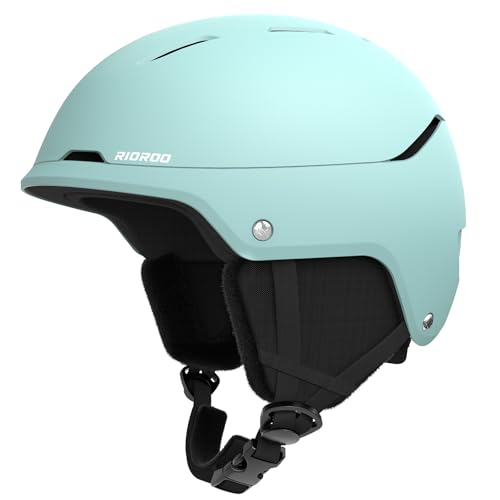 |
Best Certified Budget Pick | Shell: Shockproof ABS hard shell | Core: Shock-absorbing EPS core | Best For: Riders who want a dual-certified helmet without a premium price | VIEW LATEST PRICE | Read Our Analysis |
| ILM Convertible Bike & Ski Helmet |  |
Best Multi-Sport Crossover Pick | Shell: ABS shell | Core: High-density EPS foam | Best For: Riders who want one helmet for biking and casual snowboarding rather than a dedicated snow-certified helmet | VIEW LATEST PRICE | Read Our Analysis |
| Retrospec Comstock Ski Helmet |  |
Best Convertible Ear Warmth | Shell: ABS shell | Core: EPS shock-absorbing foam | Best For: Riders who want convertible warmth for variable weather in one helmet | VIEW LATEST PRICE | Read Our Analysis |
| DKONI Three-Stage Ventilation Snowboard Helmet (with Goggles) |  |
Best Three-Stage Ventilation | Shell: High-impact PC outer shell | Core: USA-made EPS liner, in-mold technology | Best For: Riders who want adjustable venting and goggles in one set | VIEW LATEST PRICE | Read Our Analysis |
More Details on Our Top Picks
SMITH Descend MIPS Helmet
The Smith Descend earns the top spot because it checks every box a snowboarder actually cares about at once: dual ASTM F2040 and CE EN 1077:2007 certification, a MIPS liner for rotational-impact protection, and Zonal Koroyd coverage layered in for additional energy absorption. Smith has built helmets and goggles since 1965, and that experience shows in details like the AirEvac venting system, which is engineered to work with Smith goggles specifically to keep lenses clear.
The in-mold construction fuses the shell and EPS foam into one lightweight piece, which keeps the low-profile silhouette riders want without adding bulk. Sixteen vents with a dual regulator let you dial airflow up on a warm day or seal it down on a windy chairlift ride, a genuine advantage over fixed-vent designs.
The Snapfit SL2 ear pads are removable and audio-chip compatible, so riders who want a drop-in Bluetooth speaker system can add one without hacking the padding. The Ionic+ lining adds sweat-activated odor control, a small but real quality-of-life detail after a full day on the mountain.
The honest caveat: this is a mid-to-premium helmet, and riders who mainly need a budget-certified lid for occasional weekends may find better value below. But for anyone who rides regularly and wants MIPS plus dual certification without stepping up to a race-oriented shell, the Descend is the Research Desk's top recommendation.
- Shell:In-mold construction, low-profile design
- Certifications:ASTM F2040 and CE EN 1077:2007
- Rotational Protection:MIPS + Zonal Koroyd coverage
- Ventilation:16 vents, dual regulator front/rear control
- Audio Compatibility:Removable Snapfit SL2 ear pads, audio-chip compatible
- Goggle Integration:AirEvac system pairs with Smith eyewear
- Best For:Riders who want dual certification, MIPS, and goggle-matched venting in one helmet
OutdoorMaster ELK MIPS Ski Helmet
MIPS technology has historically carried a price premium that put it out of reach for casual riders. The OutdoorMaster ELK narrows that gap, pairing a MIPS liner with a reinforced polycarbonate shell and in-mold construction at a price point well below most brand-name MIPS helmets. For a rider who wants rotational-impact protection but doesn't need Smith or Giro's full feature set, this is a legitimate consideration.
The eight vent holes are fewer than some competitors on this list, so riders who run hot on spring days may notice less airflow than the Smith Descend's 16-vent system. The trade-off is a simpler, more affordable shell that still covers the fundamentals: detachable lining, removable earmuffs for warmth, and a soft chin band.
The goggle strap retainer is a practical touch that keeps goggles from sliding during aggressive riding, and the size adjustment dial makes fit tuning straightforward without tools. Construction quality across the OutdoorMaster line has been consistent based on catalog history, though the brand does not carry the decades of snowsports pedigree that Smith or Giro do.
This is the pick for budget-conscious riders who still want MIPS as a non-negotiable feature. If ventilation and audio integration matter more than price, look to the Smith Descend or Giro Ledge instead.
- Shell:Reinforced PC shell, in-mold construction
- Core:Shock-absorbing EPS foam
- Certifications:ASTM F2040, CE EN 1077
- Rotational Protection:MIPS (Multi-direction Impact Protection System)
- Ventilation:8 air vent holes
- Interior:Detachable lining, earmuffs, soft chin band
- Fit System:Size adjustment dial
- Best For:Riders who want MIPS protection without the premium-brand price tag
Giro Ledge Snow Helmet
Giro's Ledge is one of the more established names in the low-profile snow helmet category, and the shell shape reflects that focus directly. The hard shell sits close to the head with a compact, brimless profile that suits snowboard styling and reduces the gap where the helmet meets goggles, a detail that matters more on a snowboard than it might seem from the ski side of the mountain.
The Auto Loc 2 fit system removes the fuss of manual strap adjustment: an elastic band at the back merges with fixed straps across three circumference settings, and the On-the-fly Vertical Tuning feature lets you fine-tune the goggle interface without taking the helmet off. That is a genuinely useful feature mid-run when goggle fog or gaps show up.
Stack Vent at the front aligns with goggles to help keep lenses clear, while Super Cool Vents on top let hot air escape. The helmet is also built to work with aftermarket audio systems and includes removable ear pads, so riders who want music can add it without compromising fit.
The main limitation compared to the Smith Descend above is the absence of MIPS in this specific listing (Giro does offer a MIPS version of the Ledge separately). If rotational protection is a priority, budget for the MIPS variant or step up to the Smith. For fit quality and goggle integration on their own, the standard Ledge is hard to beat.
- Shell:Hard shell construction, EPS foam liner
- Certifications:ASTM F2040, CE EN 1077
- Fit System:Auto Loc 2 (removable, self-adjusting)
- Ventilation:Stack Vent (front) plus Super Cool Vents (top)
- Audio Compatibility:Compatible with aftermarket audio systems
- Goggle Integration:Seamless Compatibility with Giro EXV goggles
- Adjustment:On-the-fly Vertical Tuning
- Best For:Riders who want a compact, goggle-matched shell with tool-free fit adjustment
RIOROO Ski Helmet
RIOROO is a smaller brand than Smith or Giro, but the specification sheet here does the talking: this helmet is explicitly certified to both CE EN 1077 and ASTM F2040-18, the two standards written specifically for snowsports impacts. That is not a given at this price tier, where some competitors list only vague safety claims without naming a specific standard.
The ABS shell and EPS core combination is standard snow-helmet construction, and the 12 vents provide reasonable airflow for a budget helmet, though fewer and less adjustable than the Smith Descend's dual-regulator system above. The removable thermal liner and ear pads are washable, a practical detail for riders who use one helmet across a full season.
The listing states the helmet suits skiing, snowboarding, skating, sledding, and snowmobiling, which signals a general snowsports design rather than a snowboard-specific shell shape. Riders who want the low-profile, brimless look common in snowboard culture may prefer the Giro Ledge's shell proportions instead.
For a rider who wants confirmed dual certification at an accessible price and does not need MIPS or premium venting, the RIOROO is a reasonable, honestly-specified choice.
- Shell:Shockproof ABS hard shell
- Core:Shock-absorbing EPS core
- Certifications:CE EN 1077 and ASTM F2040-18
- Ventilation:12 individual vents
- Interior:Removable thermal liner and ear pads
- Fit System:Size adjustment dial
- Best For:Riders who want a dual-certified helmet without a premium price
ILM Convertible Bike & Ski Helmet
The ILM S1-17 snowboard helmet reviewed here has been discontinued. ILM's current ski-and-snowboard listing is built on its bike-helmet platform instead: an ABS shell over high-density EPS foam, with the listing stating it meets CPSC, ASTM and CE safety standards, the certifications used for bicycle helmets rather than the snow-specific ASTM F2040 or CE EN 1077 standards that the RIOROO and Smith Descend above carry.
Removable earmuffs are what make the helmet usable through winter, they snap on when the temperature drops and come off for warm-weather riding. A fixing strap holds goggles against the shell, and a removable visor cuts glare and blocks debris. The listing describes multiple vents for airflow but does not give an exact count, so the vent-count advantage the discontinued S1-17 offered is not something this replacement can claim.
Sizing runs Medium through XX-Large across three colorways (Matte Black, White, Matte Titanium).
This is a reasonable choice for someone who wants a single helmet that covers biking most of the year and casual snowboarding on the occasional trip, but it is not a substitute for a helmet actually certified to snow-sport standards. Riders snowboarding regularly should choose one of the ASTM F2040/CE EN 1077-rated picks elsewhere on this list.
- Shell:ABS shell
- Core:High-density EPS foam
- Certifications:CPSC, ASTM and CE bike-helmet standards (not snow-specific ASTM F2040 or EN 1077)
- Ventilation:Multiple vents (exact count not published)
- Goggle Integration:Fixing strap for goggles; removable visor included
- Sizing:Medium to XX-Large, three colorways
- Best For:Riders who want one helmet for biking and casual snowboarding rather than a dedicated snow-certified helmet
Retrospec Comstock Ski Helmet
The Comstock's defining feature is its convertible ear design: fleece-lined ear muffs that snap on for cold, windy days and detach easily when temperatures climb. That flexibility matters more on a snowboard than people expect, since riders spend more idle time on the chair and in the terrain park than skiers moving continuously downhill, and cold ears become a real annoyance without adjustable coverage.
The moisture-wicking mesh cap and 10 vents provide reasonable airflow, though fewer vents than the Smith Descend above. The glove-friendly goggle clip is a practical detail: riders can secure goggles without removing gloves mid-run, a small convenience that adds up across a full day.
The ErgoKnob dial system allows swift fit adjustments, and Retrospec provides clear sizing guidance based on head circumference measurement, a detail some budget brands skip or leave vague.
The Comstock is certified to ASTM F2040 and CE EN 1077 Class B, so riders who want documented snowsports certification are covered here too. The main trade-off versus the RIOROO or Smith Descend is fewer vents and no MIPS option; riders prioritizing warmth flexibility will still find the Comstock's convertible ear system genuinely useful.
- Shell:ABS shell
- Core:EPS shock-absorbing foam
- Certifications:ASTM F2040, CE EN 1077 Class B
- Ventilation:10 vents with moisture-wicking mesh cap
- Ear Coverage:Detachable fleece-lined ear muffs
- Goggle Integration:Glove-friendly goggle clip
- Fit System:ErgoKnob dial and straps
- Best For:Riders who want convertible warmth for variable weather in one helmet
DKONI Three-Stage Ventilation Snowboard Helmet (with Goggles)
DKONI's three-stage vent system is a straightforward sliding mechanism at the top of the shell, letting riders step airflow up or down with one motion rather than juggling multiple individual vent covers. For snowboarders moving between a cold, exposed chairlift and a sweaty terrain-park session in the same afternoon, that kind of quick, single-point control is a practical convenience.
The PC outer shell paired with a USA-made EPS liner and in-mold construction is the build the listing describes. It states compliance with both ASTM and CE EN standards, though without citing the specific standard numbers the way the RIOROO or Smith listings do, so buyers who want that level of documentation should check the current listing directly before purchase.
The removable liner and ear pads are washable, a dial adjusts the fit (M 54-58 cm, L 58-62 cm), and the goggle clip at the back keeps goggles secured during aggressive riding. This listing is a helmet-and-goggles set, so goggles come in the same purchase, and DKONI markets it across skiing, snowboarding and snowmobile use, suggesting a general-purpose snow shell rather than a snowboard-specific low-profile design.
This is a sensible pick for riders who want adjustable venting and a goggle set included, and don't need MIPS or premium branding. Riders who want the lowest-profile snowboard-specific shell shape should look to the Giro Ledge instead.
- Shell:High-impact PC outer shell
- Core:USA-made EPS liner, in-mold technology
- Certifications:Meets ASTM and CE EN safety standards
- Ventilation:Three-stage adjustable vent system (top slider)
- Goggle Integration:Rear goggle clip, goggles included
- Interior:Removable liner and ear pads
- Best For:Riders who want adjustable venting and goggles in one set
How to Choose a Snowboard Helmet
Snowboard and ski helmets share a lot of overlap, but riders have a few priorities that differ from skiers. Here is what actually matters when you are buying specifically for snowboarding.
Certification: ASTM F2040 and CE EN 1077
These are the two certifications written specifically for snowsports impacts, distinct from general bike-helmet standards. ASTM F2040 is the U.S. standard; CE EN 1077 is the European equivalent and includes additional testing for retention system strength and penetration resistance. Helmets that name both standards explicitly, like the Smith Descend and RIOROO on our list, have documented that testing. Be cautious of listings that claim vague "safety certified" language without naming a specific standard. See our helmet certifications guide for a full breakdown of what each standard actually tests.
MIPS and Rotational-Impact Protection
MIPS (Multi-directional Impact Protection System) is a thin, low-friction layer inside the helmet that allows the shell to rotate slightly relative to the head during an angled impact. Snowboard falls frequently involve exactly this kind of rotational force, since riders often catch an edge and rotate on the way down rather than falling straight forward as skiers more often do. The Smith Descend and OutdoorMaster ELK on our list both include MIPS; if your budget allows, it is worth prioritizing.
Shell Profile: Low-Profile and Brimless
Snowboard culture has historically favored a compact, brimless shell shape over the taller, more aggressive profiles common in ski racing. A lower-profile shell also tends to create a tighter interface with goggles, reducing the gap where wind and snow can get in. The Giro Ledge is a strong example of this shape done well.
Audio Compatibility and Ear Pads
Many riders like music on mellow runs or lift rides. Rather than building speakers permanently into the helmet, most manufacturers now design "audio-ready" ear pads with a cavity that accepts a separate drop-in Bluetooth speaker chip. This keeps the helmet's weight and price down while still supporting audio for riders who want it. Check that the ear pads are explicitly audio-compatible if this matters to you, as some budget helmets have solid foam pads with no cavity.
Ventilation for Variable Mountain Weather
A single day of riding can swing from a frigid, windy chairlift to a warm, sun-exposed afternoon in the terrain park. Adjustable venting, whether a sliding top mechanism like the DKONI's or a dual front/rear regulator like the Smith Descend's, lets you manage that range without swapping headgear. Fixed-vent helmets are simpler and often cheaper, but give up that flexibility.
Goggle Fit and Retention
A helmet that does not match your goggles creates a visible and functional gap at the brow, letting in cold air and snow. Brands like Giro and Smith design helmets and goggles as matched systems and note explicit compatibility. Even without a matched-brand setup, look for a rear goggle clip or retainer strap, standard on every helmet in this list, to keep goggles from shifting during a fall or aggressive riding.
Snowboard Helmet for Riders Comparison
| Helmet | Certifications | Rotational Protection | Ventilation | Best For |
|---|---|---|---|---|
| SMITH Descend MIPS Helmet | ASTM F2040 and CE EN 1077:2007 | MIPS + Zonal Koroyd coverage | 16 vents, dual regulator front/rear control | Riders who want dual certification, MIPS, and goggle-matched venting in one helmet |
| OutdoorMaster ELK MIPS Ski Helmet | ASTM F2040, CE EN 1077 | MIPS (Multi-direction Impact Protection System) | 8 air vent holes | Riders who want MIPS protection without the premium-brand price tag |
| Giro Ledge Snow Helmet | ASTM F2040, CE EN 1077 | - | Stack Vent (front) plus Super Cool Vents (top) | Riders who want a compact, goggle-matched shell with tool-free fit adjustment |
| RIOROO Ski Helmet | CE EN 1077 and ASTM F2040-18 | - | 12 individual vents | Riders who want a dual-certified helmet without a premium price |
| ILM Convertible Bike & Ski Helmet | CPSC, ASTM, CE (bike-helmet standards) | - | Multiple vents (count not published) | Riders who want one helmet for biking and casual snowboarding rather than a dedicated snow-certified helmet |
| Retrospec Comstock Ski Helmet | ASTM F2040, CE EN 1077 Class B | - | 10 vents with moisture-wicking mesh cap | Riders who want convertible warmth for variable weather in one helmet |
| DKONI Three-Stage Ventilation Snowboard Helmet (with Goggles) | Meets ASTM and CE EN safety standards | - | Three-stage adjustable vent system (top slider) | Riders who want adjustable venting and goggles in one set |
Frequently Asked Questions
Do snowboard helmets need to be different from ski helmets?
Not fundamentally. Most helmets on the market, including every pick on this list, are marketed and certified for both skiing and snowboarding under the same ASTM F2040 and CE EN 1077 standards. The differences that matter are shell profile (snowboarders often prefer a lower, brimless shape) and MIPS relevance (snowboard falls tend to involve more rotational impact than the more forward falls common in skiing). Functionally, though, a certified snow helmet works for either sport.
Is MIPS worth the extra cost for snowboarding?
For riders who fall regularly, including beginners and terrain-park riders, yes. MIPS is designed to reduce rotational force transmitted to the brain during angled impacts, which are common when a rider catches an edge and rotates during a fall. It is not a replacement for a well-fitted, properly certified shell, but it is a meaningful addition where budget allows. Our list includes two MIPS options at different price points: the Smith Descend and the OutdoorMaster ELK.
How should a snowboard helmet fit with goggles?
There should be no visible gap between the bottom of the helmet and the top of the goggle frame when both are worn together. A gap lets in wind, snow, and cold air, and can also mean the helmet sits too high on your head, which reduces protection. Brands like Giro and Smith design helmets to pair with their own goggle lines specifically to avoid this gap. If you are buying helmet and goggles separately, try them on together before committing, or check for reviews that note goggle compatibility.
What is the minimum certification I should look for?
At minimum, look for ASTM F2040 (U.S.) or CE EN 1077 (Europe) named explicitly on the product listing. These are the two standards written specifically for snowsports impacts. A helmet that only claims general safety compliance without naming one of these standards has not necessarily been tested to the snowsports-specific impact and retention requirements. Most of our picks, including the Smith Descend, OutdoorMaster ELK, Giro Ledge, RIOROO, and Retrospec Comstock, name both standards directly.
Can I use an audio-ready snowboard helmet with any Bluetooth speakers?
Audio-ready ear pads generally have a cavity sized for standard drop-in speaker chips, which are typically sold separately from the helmet itself. Compatibility varies by chip size and pad design, so check that a specific audio accessory is listed as compatible with your helmet model before buying. Our audio ski helmet guide covers helmets and accessories built specifically around this feature.
DOT vs ECE vs Snell vs MIPS, how to pick the right lid in 60 seconds, and when to replace it. One page, no fluff.
