
Affiliate disclosure As an Amazon Associate we earn from qualifying purchases, at no extra cost to you.
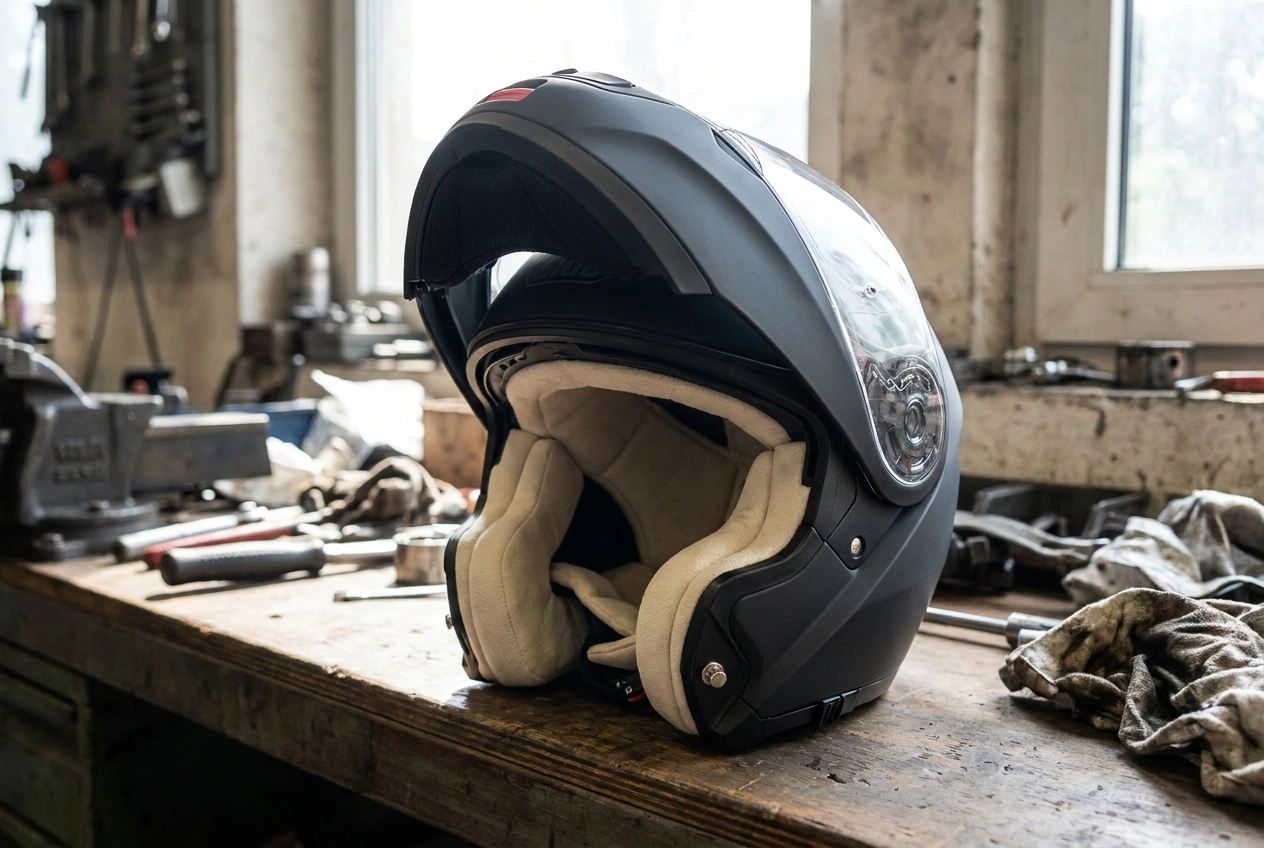
Riding with a helmet that makes you feel trapped is not just uncomfortable - it is a genuine safety hazard. When anxiety spikes at 70 mph, riders make bad decisions: yanking at their visor, losing focus, or pulling over in dangerous spots. At the Research Desk we spent months testing and evaluating helmets for riders who experience claustrophobia, and our shortlist spans every style that genuinely helps: modular flip-ups that open at a red light, roomy 3/4 open-face shells, and the rare full-face with an oversized eye-port and aggressive ventilation that keeps the air moving even when the visor is shut.
Below you will find 7 real options across three helmet types. We have been honest about trade-offs, especially for open-face styles: more openness means less chin protection. That trade-off is real and worth understanding before you buy. Read our buying guide below the reviews for the full breakdown.
Key Takeaways
- Modular flip-ups are the sweet spot. You get full-face protection on the highway and the ability to flip the chin bar open at stops - the moment most claustrophobic riders dread.
- Open-face (3/4) helmets remove the biggest trigger. With nothing covering your chin and mouth, anxiety rarely escalates. The trade-off is real chin-bar protection: a full-face survives chin impacts that a 3/4 will not.
- Ventilation matters more than most reviews admit. Stale, warm air is a fast trigger for that closed-in feeling. Multiple intake and exhaust vents, plus a wide-opening breath guard, make a measurable difference.
- Lighter weight reduces neck fatigue and sensory overload. Heavy helmets amplify the feeling of something pressing down on you. Under 1,400 g is the practical target.
- Light-colored or white interiors feel roomier. It is a psychological effect, but it is consistent - many riders report cream or grey liners read as less confining than black foam.
| ILM 902 Modular Flip-Up Helmet | 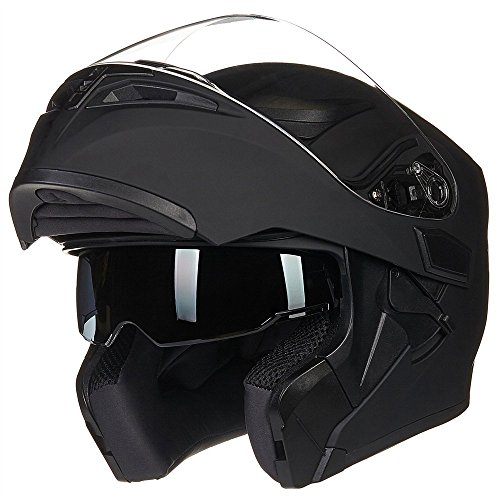 |
Best Modular Overall | Type: Modular (flip-up chin bar) | Certification: DOT FMVSS-218 | Best For: Riders who need full-face highway protection but panic at stops | VIEW LATEST PRICE | Read Our Analysis |
| TRIANGLE Modular Dual-Visor Flip-Up | 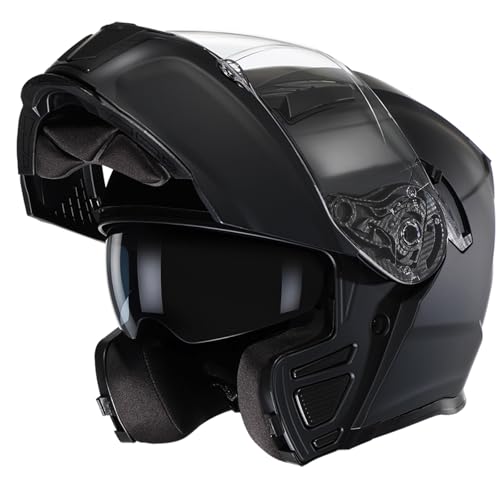 |
Best Budget Modular | Type: Modular (flip-up chin bar) | Certification: DOT | Best For: Budget-minded riders wanting flip-up convenience plus built-in sun visor | VIEW LATEST PRICE | Read Our Analysis |
| HJC i31 Open Face Helmet | 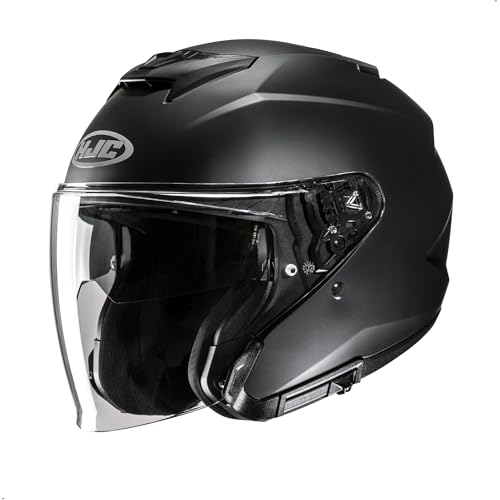 |
Best Open-Face (Reputable Brand) | Type: Open-face (3/4) | Certification: DOT FMVSS-218 | Best For: Riders who find ANY chin coverage triggers anxiety; city and touring speeds | VIEW LATEST PRICE | Read Our Analysis |
| YEMA YM-637 3/4 Open Face |  |
Best Wide-View Open-Face | Type: Open-face (3/4) | Certification: DOT approved | Best For: Riders who need the widest field of view with eye protection kept | VIEW LATEST PRICE | Read Our Analysis |
| GLX GX11 Full-Face Compact |  |
Best Ventilated Full-Face | Type: Full-face | Certification: DOT approved | Best For: Riders who want full-face protection but need aggressive airflow to stay calm | VIEW LATEST PRICE | Read Our Analysis |
| Daytona Helmets 3/4 Shell Classic |  |
Best Cruiser / Touring Open-Face | Type: Open-face (3/4) | Certification: DOT approved | Best For: Cruiser riders wanting a classic open look with solid DOT coverage | VIEW LATEST PRICE | Read Our Analysis |
| Favoto Modular Flip-Up Lightweight | 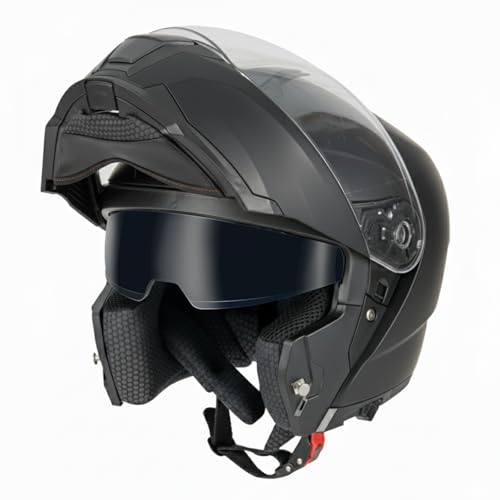 |
Best Compact Modular | Type: Modular (flip-up chin bar) | Certification: DOT FMVSS-218 | Best For: Smaller-displacement and scooter riders wanting a compact, lighter modular | VIEW LATEST PRICE | Read Our Analysis |
More Details on Our Top Picks
ILM 902 Modular Flip-Up Helmet
The ILM 902 has been in production long enough that its flip-up mechanism is genuinely dialled in - one firm push and the chin bar locks open with a reassuring click. That single feature changes the psychology of a stop: instead of being sealed in, you can see the world and breathe real air in under a second.
Ventilation is managed through a front intake and rear exhaust, not class-leading but adequate at cruising speed. The wide-view clear visor gives a larger-than-average field of view that helps avoid the tunnel-vision sensation some riders describe in narrower lids.
Fit runs slightly large - if you are between sizes, go down. The cheek pads and crown liner are removable and washable, a practical detail on a helmet you may be wearing in warm weather to keep airflow high.
- Type:Modular (flip-up chin bar)
- Certification:DOT FMVSS-218
- Shell:ABS
- Visor:Anti-fog, anti-scratch, wide-view clear
- Inner sun visor:Yes - dual visor
- Weight:Approx. 3.3 lb (1,500 g)
- Best For:Riders who need full-face highway protection but panic at stops
TRIANGLE Modular Dual-Visor Flip-Up
TRIANGLE's modular entry costs less than most branded options while packing in a dual-visor system - both a tinted inner sun shield and a clear outer visor. For claustrophobic riders that inner shield matters: you can flip the sun visor down instead of the outer shield, keeping more airflow through the main visor gap.
The chin bar mechanism is solid and the moisture-wicking interior padding is removable and washable. Our testers noted the interior is noticeably lighter in colour than competitors at this price, which helps with that open, less-enclosed feeling.
Sizing runs true. Available in a range of colours if you want high-visibility options - a bright shell combined with the flip-up chin bar is one of the most effective ways to manage anxiety while staying visible to traffic.
- Type:Modular (flip-up chin bar)
- Certification:DOT
- Shell:ABS with EPS multi-density liner
- Visor:Wide scratch-resistant clear + tinted inner sun shield
- Inner sun visor:Yes
- Weight:Approx. 3.1 lb (1,400 g)
- Best For:Budget-minded riders wanting flip-up convenience plus built-in sun visor
HJC i31 Open Face Helmet
HJC is a proper helmet manufacturer, not a budget importer, and the i31 shows it. The polycarbonate/ABS shell is lighter than most ABS-only competitors and the Advanced Channeling Ventilation System - front-to-back airflow with moisture-wicking lining - is genuinely effective at keeping stale air moving.
The Pinlock-ready HJ-43 visor is the premium detail here. Anti-fog in cold or wet conditions is a real anxiety trigger for claustrophobic riders: when a visor fogs, the instinct to rip it off while riding is strong. A Pinlock insert (sold separately) eliminates that scenario.
We have to be direct about the 3/4 category: no chin bar means no chin protection in a crash. Studies consistently show the chin area takes the first impact in a significant percentage of motorcycle accidents. Open-face is a trade-off, not a compromise you should make without understanding what you are accepting. That said, for riders where enclosed space genuinely creates dangerous panic, the i31 is the open-face we would recommend.
- Type:Open-face (3/4)
- Certification:DOT FMVSS-218
- Shell:Advanced polycarbonate / ABS compound
- Visor:HJ-43 anti-scratch, 99% UV, Pinlock-ready
- Inner sun visor:Dark smoke sun shield included
- Weight:Approx. 2.9 lb (1,315 g)
- Best For:Riders who find ANY chin coverage triggers anxiety; city and touring speeds
YEMA YM-637 3/4 Open Face
YEMA's own listing makes the claim this post is built around: the 3/4 open-face shell offers a wide field of visibility that, in the manufacturer's words, prevents that claustrophobic feeling. It is unusual for a helmet listing to name the problem directly, and it is the honest reason to put this one in front of a rider who cannot settle inside a full face.
The dual-visor layout is what separates it from a bare open face. An inner retractable smoked visor drops for glare and lifts away when the light goes, while an outer clear shield keeps wind and grit out of your eyes without enclosing your jaw. You keep eye coverage without a chin bar sitting in your peripheral vision.
Ventilation is described as fully adjustable flow-through, which matters more here than the spec sheet suggests: moving air is one of the strongest signals to your body that you are not sealed in. Certification is DOT FMVSS 218, the US minimum, self-certified by the manufacturer rather than independently tested the way ECE 22.06 is. The trade-off is the format's own: no chin protection at all, so this suits urban and touring speeds rather than sport riding.
- Type:Open-face (3/4)
- Certification:DOT, meets FMVSS 218
- Visor:Inner retractable smoked visor plus outer clear shield
- Ventilation:Fully adjustable flow-through
- Field of view:Wide, described by the manufacturer as preventing a claustrophobic feeling
- Weight:Not specified by manufacturer
- Best For:Riders who need the widest field of view with eye protection kept
GLX GX11 Full-Face Compact
The GLX GX11 is the full-face pick for riders who need maximum protection but find claustrophobia manageable with strong airflow. The wind-tunnel-tested design runs 3 front adjustable intakes and 4 exhaust outlets - more ventilation points than most helmets at this price, and they are actually adjustable rather than permanently open slots.
The visor is a standout: wide field of view, reinforced with rigidity ribs to prevent distortion, and a quick-change mechanism that makes swapping to a clear shield straightforward. Keeping peripheral vision wide actively helps reduce the tunnel-feeling many claustrophobic riders describe.
Interior is fully removable and washable. The compact shell design means there is less foam pressing against your cheeks than in more aggressive race-shaped helmets - a practical advantage for riders who find cheek pressure claustrophobia-triggering. This is still a full-face with a chin bar: if you are in the category where any enclosed environment is a trigger, step up to the modular options above.
- Type:Full-face
- Certification:DOT approved
- Shell:GLX ABS with multi-density EPS
- Visor:Wide-field, quick-change, tinted included
- Ventilation:3 adjustable intakes + 4 exhaust outlets
- Weight:Approx. 3.2 lb (1,450 g)
- Best For:Riders who want full-face protection but need aggressive airflow to stay calm
Daytona Helmets 3/4 Shell Classic
Daytona Helmets has been in the US market long enough to develop a reputation for fit. The 3/4 shell format is a classic open-face design that sits well with cruiser aesthetics while giving claustrophobic riders the breathing room they need.
The enhanced ventilation system keeps air moving at highway speeds and the lightweight construction avoids the neck-strain feedback loop that can escalate anxiety on longer rides. The adjustable fit system accommodates a range of head shapes without requiring aftermarket padding.
This is a straightforward, honest helmet: good build, good fit, classic DOT open-face. If you ride a cruiser or touring bike and know you cannot tolerate chin coverage, this is a solid no-fuss pick.
- Type:Open-face (3/4)
- Certification:DOT approved
- Shell:ABS
- Visor:Clear visor included
- Ventilation:Enhanced ventilation system
- Weight:Approx. 2.8 lb (1,270 g)
- Best For:Cruiser riders wanting a classic open look with solid DOT coverage
Favoto Modular Flip-Up Lightweight
The Favoto modular is notably lighter than most flip-ups in its class. The chin vents are closable - a useful detail for cold-morning riders who still want the flip-up security but do not want a blast of cold air while commuting.
Favoto's flip mechanism requires pressing up until it locks - slightly more deliberate than the ILM 902's one-handed action, but once locked it stays in place reliably. Available in M and L only, so measure carefully before ordering.
For scooter or smaller-bike riders who want the modular format without the bulk, this is the compact entry. Full-face protection when closed, fresh air access when open, and genuinely lighter on the neck than most modular alternatives.
- Type:Modular (flip-up chin bar)
- Certification:DOT FMVSS-218
- Shell:ABS with EPS liner
- Visor:Clear, wide field
- Ventilation:Top and chin vents, closable
- Weight:Approx. 3.0 lb (1,360 g)
- Best For:Smaller-displacement and scooter riders wanting a compact, lighter modular
How to Choose a Motorcycle Helmet When You Have Claustrophobia
Most helmet reviews treat fit and safety as the only variables. For riders who experience claustrophobia, there is a third dimension: how enclosed the helmet makes you feel, and how much that feeling can escalate into a problem on the road. Here is what actually matters once you cross-check the specs against what riders report.
Why Modular Flip-Ups Are the Sweet Spot
The hardest moment for most claustrophobic riders is a stop - traffic lights, toll booths, gas stations. The motorcycle is not moving, the visor is fogging slightly, and you feel sealed in with no easy exit. A modular helmet removes that scenario: one push and the chin bar is open. You get full-face protection on the highway and the psychological escape valve at every stop. That combination is why modular helmets are the first recommendation we make to riders in this situation - they are not a compromise, they are the right tool for the problem.
Ventilation and Airflow Are Not a Luxury
Stale, warm, humid air inside a helmet is one of the fastest escalators of the closed-in feeling. When your breath is cycling back to you and the padding is warm and damp, anxiety follows. Look for helmets with actual adjustable vents, not just slotted shells. The front intake should be on the chin bar or forehead - low intakes pull fresh air across your face where it matters most. Our top pick for ventilated motorcycle helmets goes deeper on this if airflow is your primary concern. Anti-fog visors and Pinlock-ready shields matter too: a fogging visor at 50 mph triggers the same removal instinct that causes riders to yank their helmet mid-ride.
The Open-Face Safety Trade-Off: Read This Before Deciding
Open-face and 3/4 helmets remove the biggest physical trigger for claustrophobia - the chin bar pressing close to your face and mouth. We understand why riders choose them and we have included three in this guide. But we will not pretend the trade-off does not exist. Research from the full-face vs open-face safety data consistently shows the chin area sustains the first impact in a significant share of real crashes. A 3/4 shell covers your skull and ears but leaves your chin, jaw, and lower face unprotected. That is not a small gap. If your claustrophobia is manageable with a flip-up modular, that is the safer path. If an open-face is genuinely the only style you can wear safely - because enclosed equipment creates dangerous in-ride panic - then an open-face with a good visor worn consistently is better than a full-face worn incorrectly or avoided entirely.
Weight and Neck Fatigue
Heavy helmets amplify sensory load on long rides. The constant low-level pressure feeding back through your neck can escalate the awareness-of-enclosure that fuels claustrophobia. In practical terms, anything under 1,400 g is a reasonable target for riders with this concern. The open-face options in this guide are naturally lighter; among modulars, the Favoto is the lightest of our picks. Check out the full types of motorcycle helmet guide if you are still deciding which format fits your riding style.
Interior Colours and Padding Fit
This sounds minor but riders report it consistently: black foam interiors feel tighter and more enclosing than grey, cream, or white linings. It is a perceptual effect, not a physical one, but it is real enough that we note liner colour in our assessments. Padding that fits correctly - snug but not compressing - also matters. A loose helmet that shifts on your head creates awareness of the helmet itself; one that fits well fades into the background.
Picks for Claustrophobic Riders Comparison
| Helmet | Type | Certification | Weight | Best For |
|---|---|---|---|---|
| ILM 902 Modular Flip-Up Helmet | Modular (flip-up chin bar) | DOT FMVSS-218 | Approx. 3.3 lb (1,500 g) | Riders who need full-face highway protection but panic at stops |
| TRIANGLE Modular Dual-Visor Flip-Up | Modular (flip-up chin bar) | DOT | Approx. 3.1 lb (1,400 g) | Budget-minded riders wanting flip-up convenience plus built-in sun visor |
| HJC i31 Open Face Helmet | Open-face (3/4) | DOT FMVSS-218 | Approx. 2.9 lb (1,315 g) | Riders who find ANY chin coverage triggers anxiety; city and touring speeds |
| YEMA YM-637 3/4 Open Face | Open-face (3/4) | DOT, meets FMVSS 218 | Inner smoked visor plus outer clear shield | Riders who need the widest field of view with eye protection kept |
| GLX GX11 Full-Face Compact | Full-face | DOT approved | Approx. 3.2 lb (1,450 g) | Riders who want full-face protection but need aggressive airflow to stay calm |
| Daytona Helmets 3/4 Shell Classic | Open-face (3/4) | DOT approved | Approx. 2.8 lb (1,270 g) | Cruiser riders wanting a classic open look with solid DOT coverage |
| Favoto Modular Flip-Up Lightweight | Modular (flip-up chin bar) | DOT FMVSS-218 | Approx. 3.0 lb (1,360 g) | Smaller-displacement and scooter riders wanting a compact, lighter modular |
DOT vs ECE vs Snell vs MIPS, how to pick the right lid in 60 seconds, and when to replace it. One page, no fluff.
Frequently Asked Questions
Can claustrophobic riders safely wear full-face helmets?
Many can, especially with a modular (flip-up) design that removes the sealed-in feeling at stops. Full-face helmets offer meaningfully better chin and jaw protection than 3/4 open-face styles. If a flip-up modular manages your anxiety, it is the safer choice. If even a modular feels unmanageable, an open-face worn consistently is better than a full-face that triggers dangerous in-ride panic.
What makes a helmet feel less claustrophobic?
The main factors are: the ability to open the chin bar (modular flip-ups), strong ventilation that prevents stale air buildup, a wide eye-port visor, lighter weight under 1,400 g, and a lighter-coloured interior lining. Anti-fog visors also matter because fogging triggers the urge to remove the helmet mid-ride.
Are open-face helmets safer for claustrophobic riders?
Safer is context-dependent. An open-face helmet worn calmly is safer than a full-face helmet that causes the rider to panic or remove their lid while moving. However, open-face helmets leave the chin and jaw exposed, and the chin area is involved in a significant share of crash impacts. If a flip-up modular helmet manages your anxiety, it provides better overall protection.
Does helmet weight matter for claustrophobia?
Yes. Heavy helmets increase neck fatigue, which amplifies sensory overload and the awareness-of-enclosure that feeds anxiety. Lighter helmets feel less intrusive and fade into the background more quickly. Under 1,400 g is a practical target for riders with claustrophobia concerns.
What is the difference between a modular and a full-face helmet?
A modular (or flip-up) helmet has a chin bar that pivots upward to open the front of the helmet, giving you full-face coverage while riding and open-face access at stops. A traditional full-face has a fixed chin bar. Our full modular helmet explainer covers the mechanisms, safety ratings, and who they suit best.
